
 EN
EN
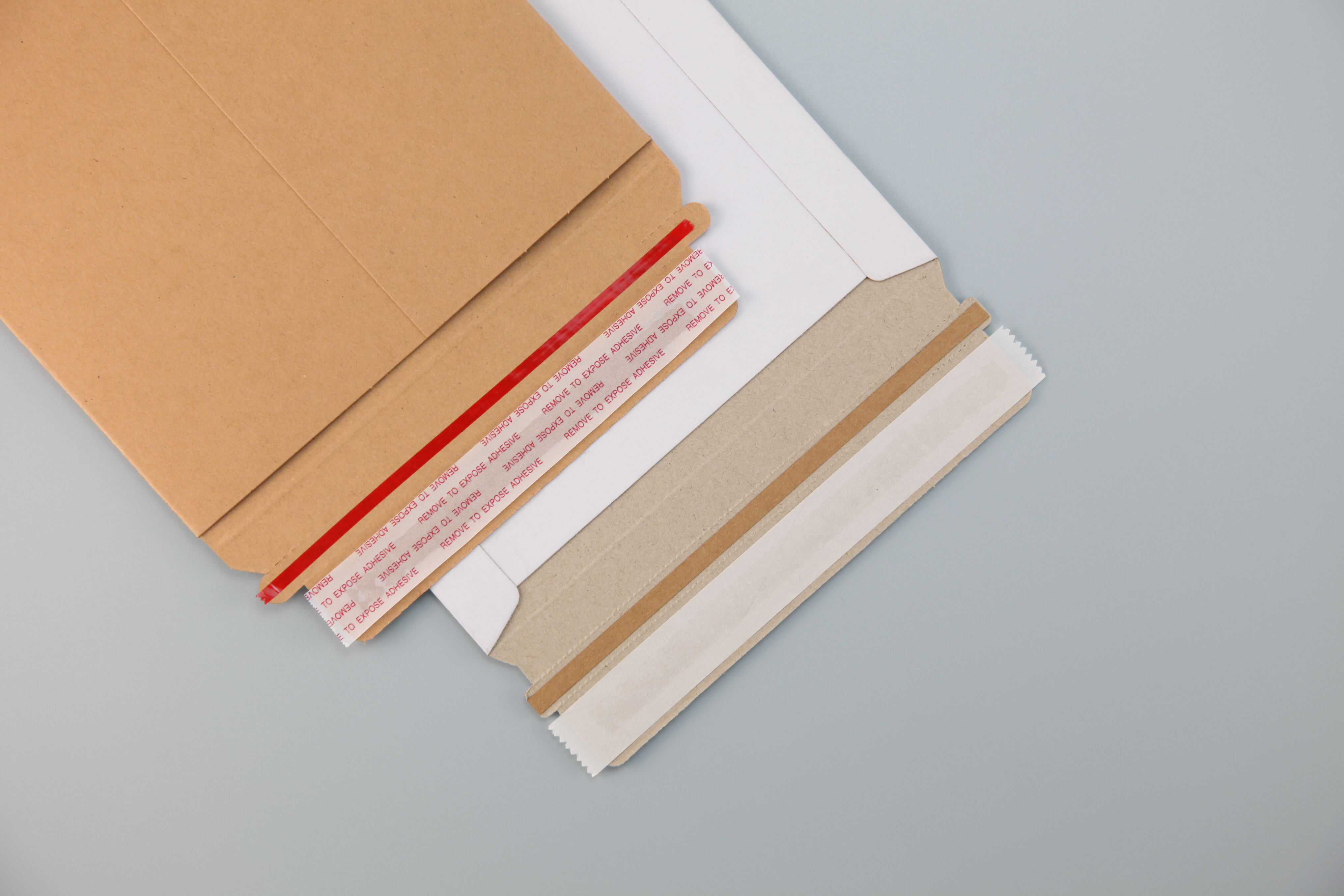
Understanding Shipping Mailer Options for Modern Business Needs
In the ever-evolving world of e-commerce and shipping, businesses constantly face decisions about packaging materials. The choice between cardboard mailers vs poly mailers represents a critical decision that impacts not only product protection but also customer satisfaction and environmental responsibility. This comprehensive guide explores the durability factors, practical applications, and long-term implications of both packaging solutions.
Structural Integrity and Protection Features
Material Composition and Strength
Cardboard mailers are engineered with multiple layers of corrugated material, providing rigid structure and inherent crush resistance. The fluted design creates air pockets that absorb impact and protect contents from external pressure. In contrast, poly mailers utilize flexible plastic polymers that offer different protective qualities through their tear-resistant and waterproof nature.
When comparing cardboard mailers vs poly mailers in terms of structural integrity, cardboard exhibits superior stacking capability and maintains its shape under pressure. This characteristic makes it particularly suitable for items that cannot withstand bending or folding. Poly mailers, while less rigid, demonstrate remarkable tensile strength and can conform to irregular shapes without compromising their protective qualities.
Impact Resistance and Shock Absorption
The corrugated structure of cardboard mailers provides natural shock absorption through its fluted layers. This design effectively distributes impact forces across the surface area, reducing the risk of damage to contents during transit. Poly mailers rely on their flexibility to absorb shock, allowing them to bend and flex rather than transfer impact forces to the contents directly.
Testing has shown that cardboard mailers excel in protecting items from drop impacts and crushing forces, while poly mailers perform better in scenarios involving sliding friction and minor impacts. The choice between cardboard mailers vs poly mailers often depends on the specific vulnerability of the items being shipped.
Environmental Conditions and Weather Resistance
Moisture and Humidity Performance
One of the most significant differences between cardboard mailers vs poly mailers emerges in their response to moisture exposure. Poly mailers provide superior water resistance, creating a virtually waterproof barrier that protects contents in wet conditions. Cardboard mailers, while treated with water-resistant coatings, remain vulnerable to prolonged moisture exposure.
In high-humidity environments, cardboard mailers may experience reduced structural integrity over time. However, they maintain better breathability, which can be advantageous for certain products that require air circulation. Poly mailers create a more hermetic seal, which while excellent for moisture protection, may trap humidity inside if not properly prepared.
Temperature Tolerance Range
Both packaging solutions demonstrate different responses to temperature variations. Cardboard mailers maintain their structural integrity across a wide temperature range but can become brittle in extremely cold conditions. Poly mailers retain flexibility in cold temperatures but may become less stable in high heat situations.
For businesses shipping to diverse climate zones, understanding these temperature-related characteristics of cardboard mailers vs poly mailers becomes crucial for maintaining package integrity throughout the delivery journey.
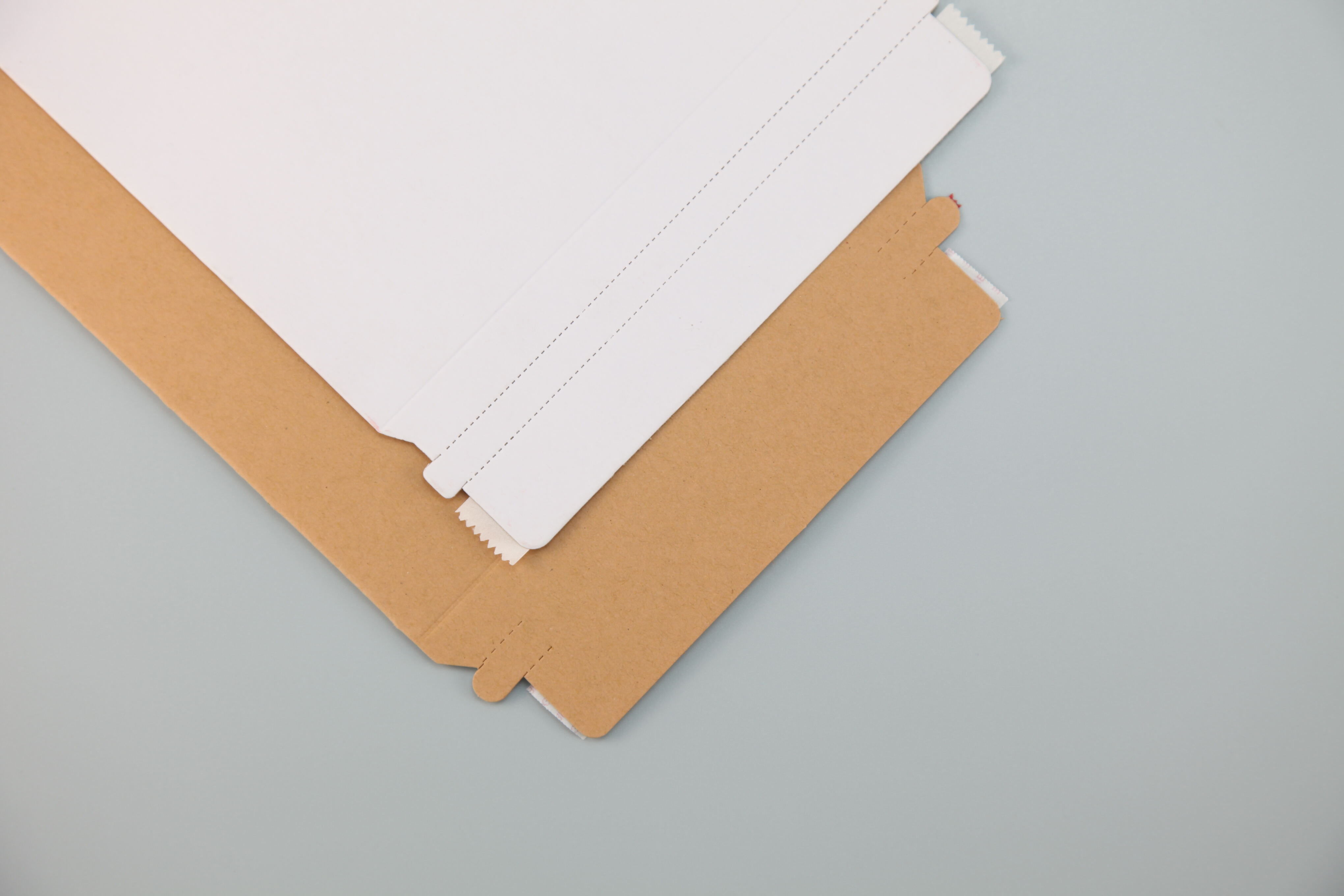
Cost Efficiency and Storage Considerations
Long-term Economic Impact
Initial cost comparisons often favor poly mailers due to their lighter weight and lower production costs. However, the durability factor of cardboard mailers can result in fewer replacement shipments due to damage, potentially offering better long-term value. When calculating total shipping costs, businesses must consider both material costs and dimensional weight pricing impacts.
Storage efficiency also plays a role in the economic equation. Poly mailers take up minimal space in warehouse settings, while cardboard mailers require more storage area due to their rigid nature. This spatial consideration can significantly impact operational costs for businesses with limited storage facilities.
Handling and Processing Efficiency
The efficiency of packing operations affects labor costs and fulfillment speeds. Cardboard mailers typically require more time for assembly but offer easier labeling and stacking. Poly mailers streamline the packing process with their ready-to-use design but may present challenges with label adhesion and organized storage.
Understanding these operational nuances helps businesses optimize their shipping workflows and choose between cardboard mailers vs poly mailers based on their specific handling capabilities and requirements.
Environmental Impact and Sustainability
Recycling and Disposal Options
The environmental impact of shipping materials has become increasingly important to both businesses and consumers. Cardboard mailers offer clear advantages in recycling, being readily accepted in most recycling programs and biodegrading naturally when properly disposed of. Poly mailers, while potentially recyclable, often require special handling and may not be accepted in all recycling streams.
Many businesses are now weighing the environmental costs against durability benefits when choosing between cardboard mailers vs poly mailers. The growing focus on sustainable practices has led to innovations in both materials, including recycled content options and improved end-of-life disposal solutions.
Carbon Footprint Considerations
The overall environmental impact extends beyond recycling to include manufacturing processes and transportation efficiency. Cardboard mailers generally have a lower carbon footprint in production but may contribute more to transportation emissions due to their weight and bulk. Poly mailers offer advantages in reduced shipping weight but rely more heavily on petroleum-based materials.
Understanding these environmental trade-offs helps businesses align their packaging choices with their sustainability goals while maintaining necessary durability standards.
Frequently Asked Questions
Which mailer type offers better protection for fragile items?
Cardboard mailers typically provide superior protection for fragile items due to their rigid structure and shock-absorbing properties. However, poly mailers can be suitable when combined with appropriate internal padding for specific fragile items.
How do shipping costs compare between cardboard and poly mailers?
Poly mailers generally result in lower shipping costs due to their lighter weight and flexible nature. However, the total cost should consider potential damage rates and the need for additional protective materials based on specific product requirements.
What are the best storage conditions for each mailer type?
Cardboard mailers should be stored in dry, temperature-controlled environments to maintain their structural integrity. Poly mailers are more forgiving and can be stored in various conditions but should be protected from extreme heat to prevent adhesive degradation.
Can both types of mailers be customized with branding?
Both cardboard mailers and poly mailers can be customized with company branding, logos, and designs. Cardboard typically offers more premium printing options, while poly mailers can feature vibrant colors and patterns that remain durable throughout shipping.