
 EN
EN
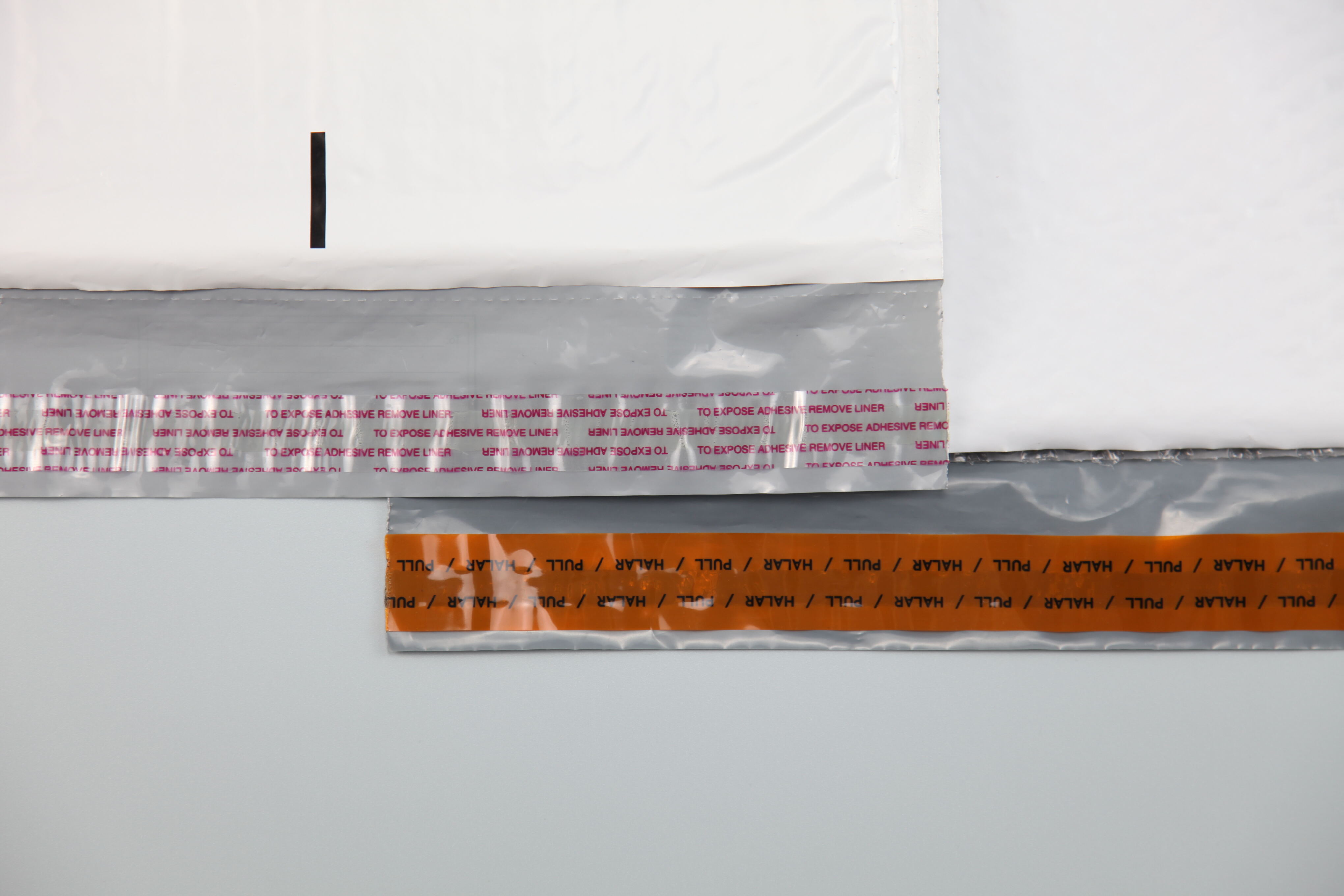
When it comes to shipping products safely and efficiently, businesses face a critical decision between poly bubble mailers and traditional paper mailers. The choice of packaging material directly impacts product protection, customer satisfaction, and overall shipping costs. Poly bubble mailers have emerged as a superior alternative to conventional paper-based packaging solutions, offering enhanced protection through innovative bubble cushioning technology. Understanding the fundamental differences between these two packaging options is essential for businesses seeking to optimize their shipping operations while maintaining product integrity during transit.
Protection Performance Analysis of Poly Bubble Mailers
Impact Resistance and Shock Absorption
Poly bubble mailers demonstrate superior impact resistance compared to traditional paper mailers due to their integrated bubble cushioning system. The polyethylene construction creates multiple air-filled chambers that act as shock absorbers, distributing impact forces across the entire surface area. This design significantly reduces the risk of damage to delicate items during handling and transportation. Studies indicate that poly bubble mailers can absorb up to 60% more impact energy than standard paper mailers, making them ideal for protecting fragile electronics, jewelry, and other sensitive products.
The multi-layered construction of poly bubble mailers provides consistent protection throughout the shipping process. Unlike paper mailers that may compress or lose their protective properties when exposed to pressure, the bubble structure maintains its integrity even under significant stress. This reliability ensures that products remain secure from the moment they leave the warehouse until they reach the customer's doorstep. The superior cushioning performance of poly bubble mailers has led many e-commerce businesses to transition from paper-based packaging solutions to achieve better product protection rates.
Moisture and Environmental Protection
Environmental protection represents another significant advantage of poly bubble mailers over paper alternatives. The polyethylene outer layer provides excellent moisture resistance, preventing water damage during transit through various weather conditions. Paper mailers, while cost-effective, offer minimal protection against humidity and can deteriorate when exposed to moisture, potentially compromising the integrity of the packaged items. This moisture resistance makes poly bubble mailers particularly valuable for shipping products sensitive to humidity, such as documents, photographs, or electronic components.
Temperature fluctuations during shipping can also affect package contents, and poly bubble mailers provide better thermal insulation than paper mailers. The air pockets within the bubble lining create an insulating barrier that helps maintain more stable temperatures around the packaged items. This thermal protection is especially beneficial for products that may be sensitive to extreme temperature variations, ensuring they arrive in optimal condition regardless of external weather conditions.
Structural Integrity and Durability Comparison
Tear Resistance and Puncture Protection
The structural design of poly bubble mailers offers significantly higher tear resistance compared to paper mailers, which can easily split or tear under stress. The polyethylene construction provides excellent puncture resistance, protecting contents from sharp objects or rough handling during the shipping process. This durability advantage translates to fewer damaged packages and reduced product loss, ultimately improving customer satisfaction and reducing replacement costs for businesses. The robust nature of poly bubble mailers ensures they maintain their protective properties throughout the entire shipping journey.
Paper mailers, while lightweight and economical, lack the structural integrity needed for demanding shipping conditions. They are particularly vulnerable to damage when exposed to sharp edges or excessive pressure during sorting and handling processes. The superior tear resistance of poly bubble mailers makes them suitable for heavier items and more challenging shipping environments where paper mailers would likely fail. This enhanced durability contributes to a more reliable shipping experience for both businesses and customers.
Load-Bearing Capacity and Weight Distribution
Weight distribution capabilities differ significantly between poly bubble mailers and paper alternatives. The reinforced construction of poly bubble mailers allows them to handle heavier items without compromising their protective properties or structural integrity. The bubble cushioning helps distribute weight evenly across the mailer surface, reducing stress concentration points that could lead to failure. This even weight distribution is particularly important when shipping multiple items or products with irregular shapes that might create pressure points in traditional paper packaging.
Paper mailers typically have limited load-bearing capacity and may deform or tear when subjected to the weight of heavier items. The fibrous nature of paper makes it susceptible to gradual weakening under sustained pressure, potentially leading to package failure during transit. Poly bubble mailers maintain their structural integrity regardless of the weight distribution, providing consistent protection for various product types and sizes. This reliability makes them a preferred choice for businesses shipping diverse product ranges with varying weight requirements.
Cost-Effectiveness and Performance Value
Initial Investment vs Long-Term Benefits
While poly bubble mailers typically require a higher initial investment compared to paper mailers, their superior protection performance often results in better long-term value. The reduced risk of product damage translates to fewer insurance claims, customer complaints, and replacement shipments. Businesses frequently discover that the additional cost of poly bubble mailers is offset by the savings achieved through improved product protection rates. This economic advantage becomes more pronounced for companies shipping high-value or fragile items where damage costs can be substantial.
The durability of poly bubble mailers also contributes to their cost-effectiveness by reducing the need for additional protective materials such as bubble wrap or foam inserts. Paper mailers often require supplementary cushioning materials to achieve adequate protection levels, increasing both material costs and packaging time. The integrated protection system of poly bubble mailers eliminates these additional requirements, streamlining the packaging process while maintaining superior protection performance. This efficiency improvement can result in significant labor cost savings for high-volume shipping operations.
Shipping Efficiency and Handling Benefits
Shipping efficiency represents another area where poly bubble mailers demonstrate superior performance compared to paper alternatives. The lightweight yet protective nature of poly bubble mailers allows businesses to maximize product-to-packaging ratios while maintaining optimal protection levels. This efficiency translates to lower shipping costs per unit and improved handling characteristics throughout the distribution process. The consistent thickness and predictable dimensions of poly bubble mailers also facilitate automated packaging processes, reducing labor requirements and improving operational efficiency.
Paper mailers, while initially less expensive, may require additional protective materials that increase overall package weight and dimensions. This added bulk can result in higher shipping costs and reduced efficiency in warehouse operations. The streamlined design of poly bubble mailers eliminates these complications, providing a more cost-effective solution when considering total shipping and handling costs. The improved handling characteristics also reduce the risk of sorting errors and package mishandling during transit, contributing to better overall delivery performance.
Industry Applications and Suitability Analysis
E-commerce and Retail Shipping Requirements
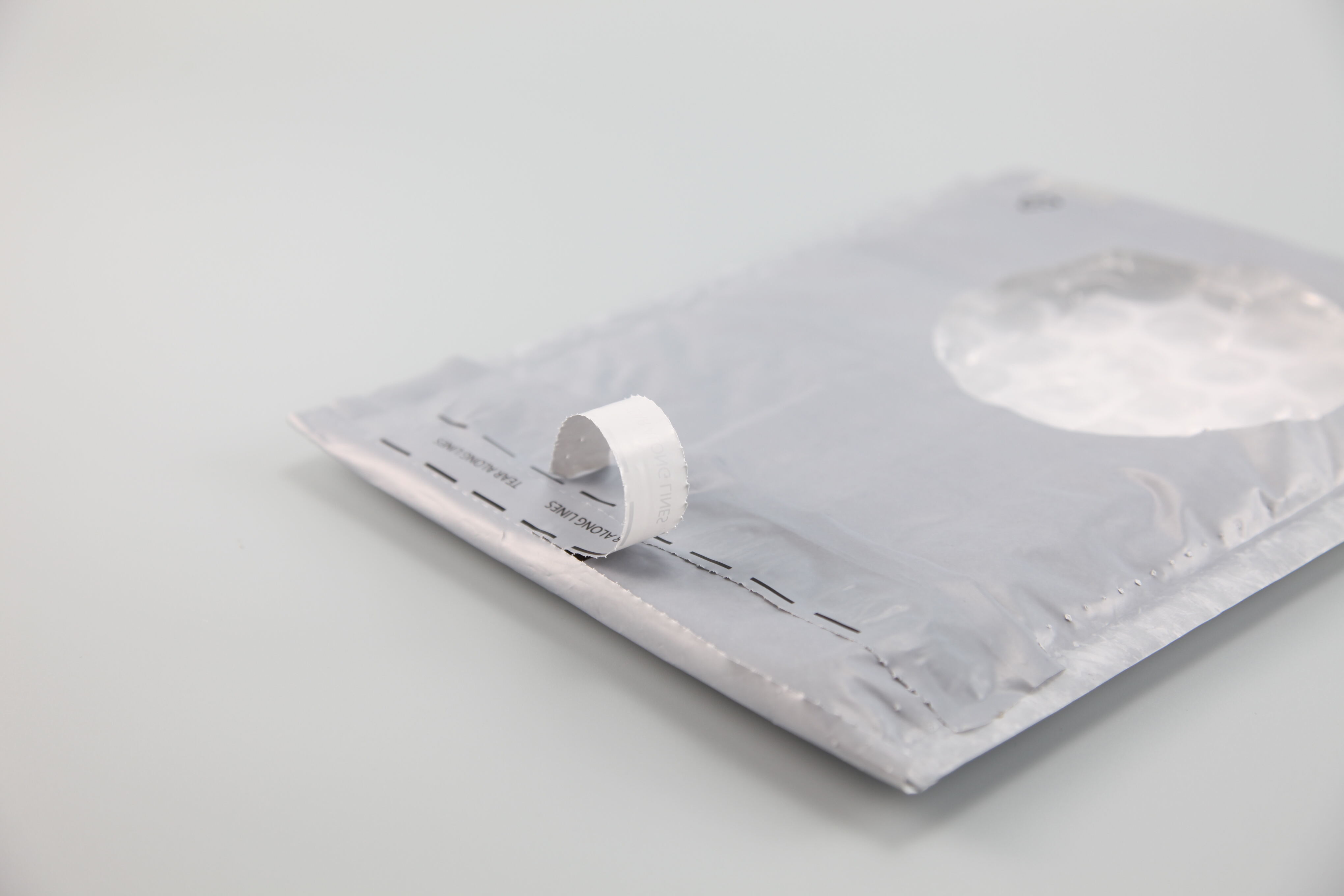
The e-commerce industry has increasingly adopted poly bubble mailers due to their superior protection performance and professional appearance. Online retailers shipping electronics, cosmetics, clothing, and accessories find that poly bubble mailers provide the optimal balance of protection and cost-effectiveness. The tamper-evident features of many poly bubble mailers also enhance security for valuable items, providing additional peace of mind for both sellers and buyers. The professional appearance of poly bubble mailers contributes to positive unboxing experiences, which are crucial for maintaining customer satisfaction in competitive online markets.
Paper mailers, while suitable for certain document shipping applications, often fall short of the protection requirements for modern e-commerce operations. The diverse range of products sold online requires packaging solutions that can adapt to various protection needs, and poly bubble mailers provide this versatility. Their ability to protect both rigid and flexible items makes them ideal for businesses with diverse product catalogs, eliminating the need to maintain multiple packaging types for different product categories.
Specialized Industry Applications
Certain industries require enhanced protection levels that make poly bubble mailers the clear choice over paper alternatives. The pharmaceutical industry, for example, relies on poly bubble mailers to protect sensitive medications and medical devices during shipping. The moisture resistance and cushioning properties of poly bubble mailers ensure that temperature-sensitive products maintain their efficacy throughout the distribution process. Similarly, the electronics industry depends on the anti-static properties available in specialized poly bubble mailers to protect sensitive components from electrostatic discharge damage.
Manufacturing and industrial applications also benefit from the superior protection performance of poly bubble mailers when shipping precision components, tools, and spare parts. The vibration dampening properties of the bubble cushioning help protect delicate instruments and calibrated devices that could be affected by the shock and vibration commonly encountered during industrial shipping processes. Paper mailers simply cannot provide the level of protection required for these demanding applications, making poly bubble mailers an essential component of industrial supply chains.
Environmental Considerations and Sustainability
Recyclability and Environmental Impact
Environmental sustainability has become a crucial factor in packaging selection, and both poly bubble mailers and paper mailers present different environmental profiles. Modern poly bubble mailers are increasingly manufactured using recycled materials and are designed to be recyclable through specialized programs. Many manufacturers now offer eco-friendly versions of poly bubble mailers that maintain superior protection performance while reducing environmental impact. The durability of poly bubble mailers also means fewer packages are needed overall due to reduced damage rates, potentially resulting in lower total environmental impact despite the synthetic materials used in their construction.
Paper mailers, while traditionally viewed as more environmentally friendly, may require additional protective materials that complicate recycling processes and increase overall material consumption. The inferior protection performance of paper mailers can also lead to increased waste through damaged products that must be replaced. When evaluating the complete lifecycle impact, including protection performance and material efficiency, poly bubble mailers often demonstrate competitive environmental profiles, especially when sourced from manufacturers committed to sustainable production practices.
Sustainable Manufacturing and Material Innovation
The packaging industry continues to innovate in developing more sustainable versions of poly bubble mailers without compromising their superior protection performance. Biodegradable and compostable alternatives are being developed that maintain the cushioning and moisture resistance properties that make poly bubble mailers superior to paper alternatives. These innovations address environmental concerns while preserving the protection benefits that businesses require for reliable product shipping. The ongoing development of sustainable poly bubble mailers represents a promising solution for companies seeking both environmental responsibility and superior protection performance.
Manufacturing processes for poly bubble mailers have also evolved to reduce energy consumption and waste production. Advanced production techniques allow for thinner materials that maintain strength and protection properties while using fewer resources. These improvements in manufacturing efficiency contribute to the overall sustainability profile of poly bubble mailers, making them an increasingly attractive option for environmentally conscious businesses that cannot compromise on product protection requirements.
FAQ
What makes poly bubble mailers more protective than paper mailers
Poly bubble mailers provide superior protection through their integrated bubble cushioning system, which creates multiple air-filled chambers that absorb impact and distribute forces evenly. The polyethylene construction offers excellent moisture resistance and tear strength, while paper mailers lack cushioning and are vulnerable to moisture damage, tearing, and compression under pressure.
Are poly bubble mailers cost-effective compared to paper mailers
While poly bubble mailers have higher upfront costs, they often provide better long-term value through reduced product damage, fewer returns, and eliminated need for additional protective materials. The integrated protection system streamlines packaging processes and reduces labor costs, making them economically advantageous for businesses shipping valuable or fragile items.
Can poly bubble mailers handle heavy items better than paper mailers
Yes, poly bubble mailers have superior load-bearing capacity and weight distribution properties compared to paper mailers. The reinforced polyethylene construction and bubble cushioning help distribute weight evenly and maintain structural integrity under pressure, while paper mailers may deform, tear, or lose protective properties when subjected to heavier items.
What environmental considerations apply to choosing between poly bubble mailers and paper mailers
Modern poly bubble mailers are increasingly made from recycled materials and designed for recyclability through specialized programs. While paper appears more eco-friendly, poly bubble mailers may have lower overall environmental impact due to superior protection reducing product damage and waste, plus elimination of additional protective materials that complicate recycling processes.