
 EN
EN
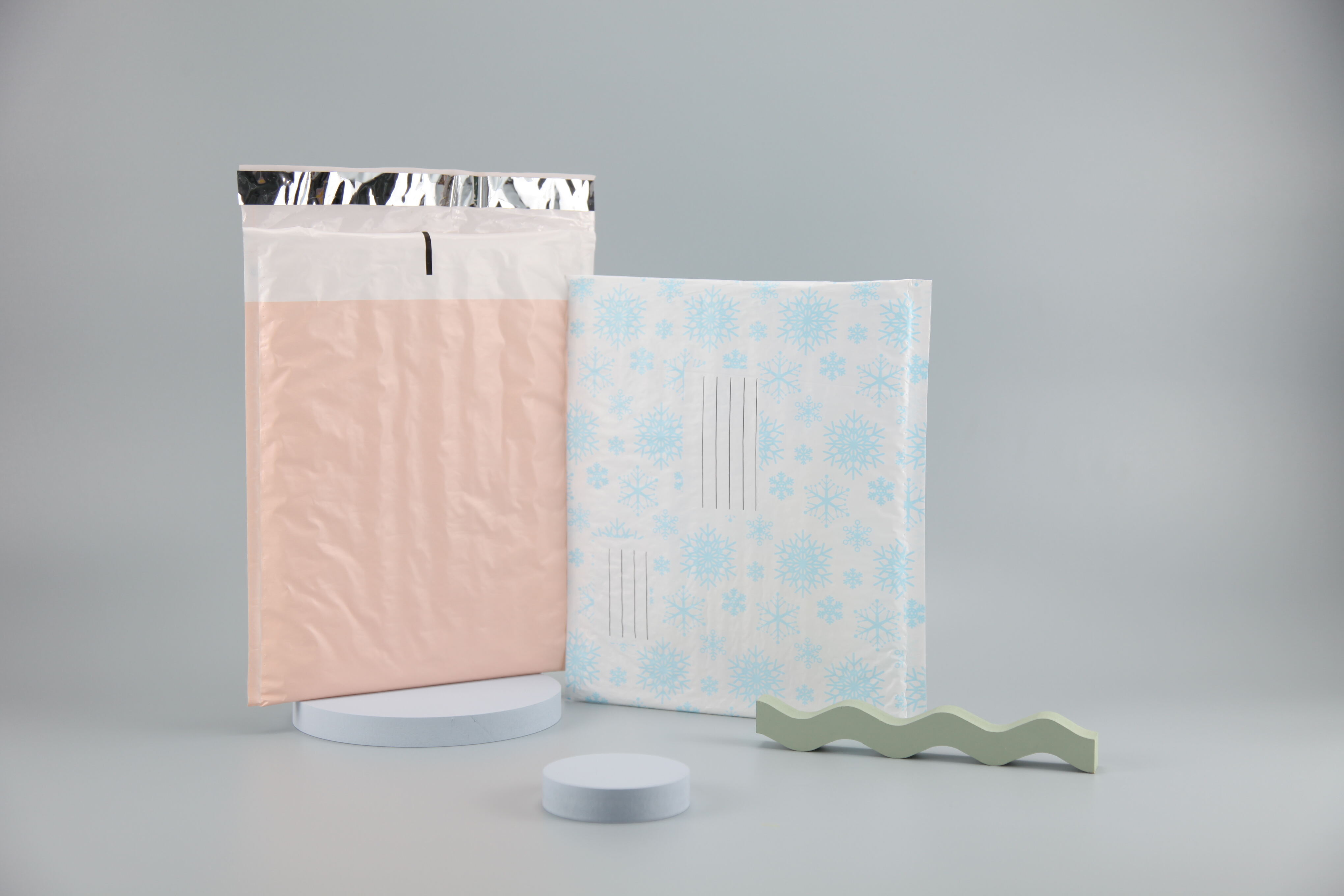
In today's global marketplace, protecting products during long-distance shipping has become more critical than ever. Businesses rely on effective packaging solutions to ensure their items arrive safely at their destination, maintaining customer satisfaction and reducing costly returns. Among the various protective packaging options available, poly bubble mailers have emerged as a versatile and reliable choice for countless shipping scenarios. These innovative packaging solutions combine the lightweight properties of polyethylene with the cushioning benefits of air-filled bubbles, creating an optimal balance between protection and cost-effectiveness.
The evolution of shipping packaging has led to numerous innovations, but few have proven as adaptable as poly bubble mailers. These protective envelopes serve multiple industries, from e-commerce retailers shipping delicate electronics to pharmaceutical companies distributing sensitive medical supplies. Understanding how these mailers work and why they excel in long-distance transportation requires examining their construction, materials, and protective mechanisms in detail.
Construction and Materials of Poly Bubble Mailers
Multi-Layer Design Benefits
The effectiveness of poly bubble mailers stems from their sophisticated multi-layer construction. The outer layer typically consists of durable polyethylene film that provides moisture resistance and tear protection. This exterior shell acts as the first line of defense against environmental hazards during transit, including rain, humidity, and rough handling by shipping personnel.
Beneath the outer layer lies the bubble cushioning material, which forms the core protective element of these mailers. The air-filled bubbles create a suspension system that absorbs impact forces and distributes pressure evenly across the packaged item. This design prevents concentrated stress points that could damage fragile products during the inevitable bumps and drops of long-distance shipping.
The inner surface of poly bubble mailers often features a smooth finish that prevents scratching or abrasion of the enclosed items. This attention to detail ensures that even highly polished or sensitive surfaces remain pristine throughout their journey. The combination of these layers creates a comprehensive protection system that addresses multiple potential damage scenarios.
Material Quality and Durability
High-quality poly bubble mailers utilize premium polyethylene materials that resist punctures, tears, and chemical degradation. The polymer chains in quality polyethylene provide exceptional flexibility while maintaining structural integrity under stress. This durability becomes particularly important during long-distance shipping, where packages may endure extended handling periods and varying environmental conditions.
The bubble layer within these mailers employs carefully engineered air chambers that maintain their cushioning properties over extended periods. Unlike some foam alternatives that may compress permanently under load, the air bubbles in quality poly bubble mailers retain their protective characteristics throughout the shipping process. This consistency ensures reliable protection from origin to destination.
Manufacturing standards for professional-grade poly bubble mailers include rigorous testing for seal strength, bubble retention, and material consistency. These quality controls ensure that each mailer performs as expected, reducing the risk of packaging failure during critical shipping phases.
Protection Mechanisms During Transit
Impact Absorption and Distribution
The primary protective function of poly bubble mailers involves their ability to absorb and redistribute impact forces. When a package experiences sudden deceleration or collision during shipping, the air-filled bubbles compress to absorb kinetic energy. This compression process converts destructive impact forces into manageable pressure distributions across the product surface.
The bubble pattern within these mailers creates a three-dimensional cushioning matrix that protects items from multiple angles simultaneously. Unlike flat padding materials, the spherical bubble geometry provides omnidirectional protection, safeguarding products against impacts from any direction. This comprehensive coverage proves essential during long-distance shipping, where packages may be subjected to various handling orientations.
Advanced poly bubble mailers feature optimized bubble sizes and densities that maximize protective performance for specific product categories. Smaller bubbles provide enhanced protection for lightweight, delicate items, while larger bubbles offer superior cushioning for heavier products that require greater impact absorption capacity.
Environmental Protection Features
Long-distance shipping exposes packages to diverse environmental conditions, from temperature fluctuations to moisture exposure. Poly bubble mailers address these challenges through their inherent material properties and design features. The polyethylene outer layer provides excellent moisture barrier protection, preventing humidity from reaching enclosed items and causing damage such as corrosion, warping, or deterioration.
Temperature stability represents another crucial advantage of poly bubble mailers during extended shipping periods. The polyethylene material maintains its protective properties across wide temperature ranges, ensuring consistent performance whether packages travel through hot desert regions or cold mountain passes. This thermal stability prevents packaging failure due to material brittleness or excessive expansion.
The sealed construction of quality poly bubble mailers also provides protection against dust, dirt, and other contaminants that could compromise product quality during transit. This contamination resistance proves particularly valuable for items sensitive to particulate matter or requiring sterile conditions upon arrival.
Versatility Across Product Categories
Electronics and Technology Products
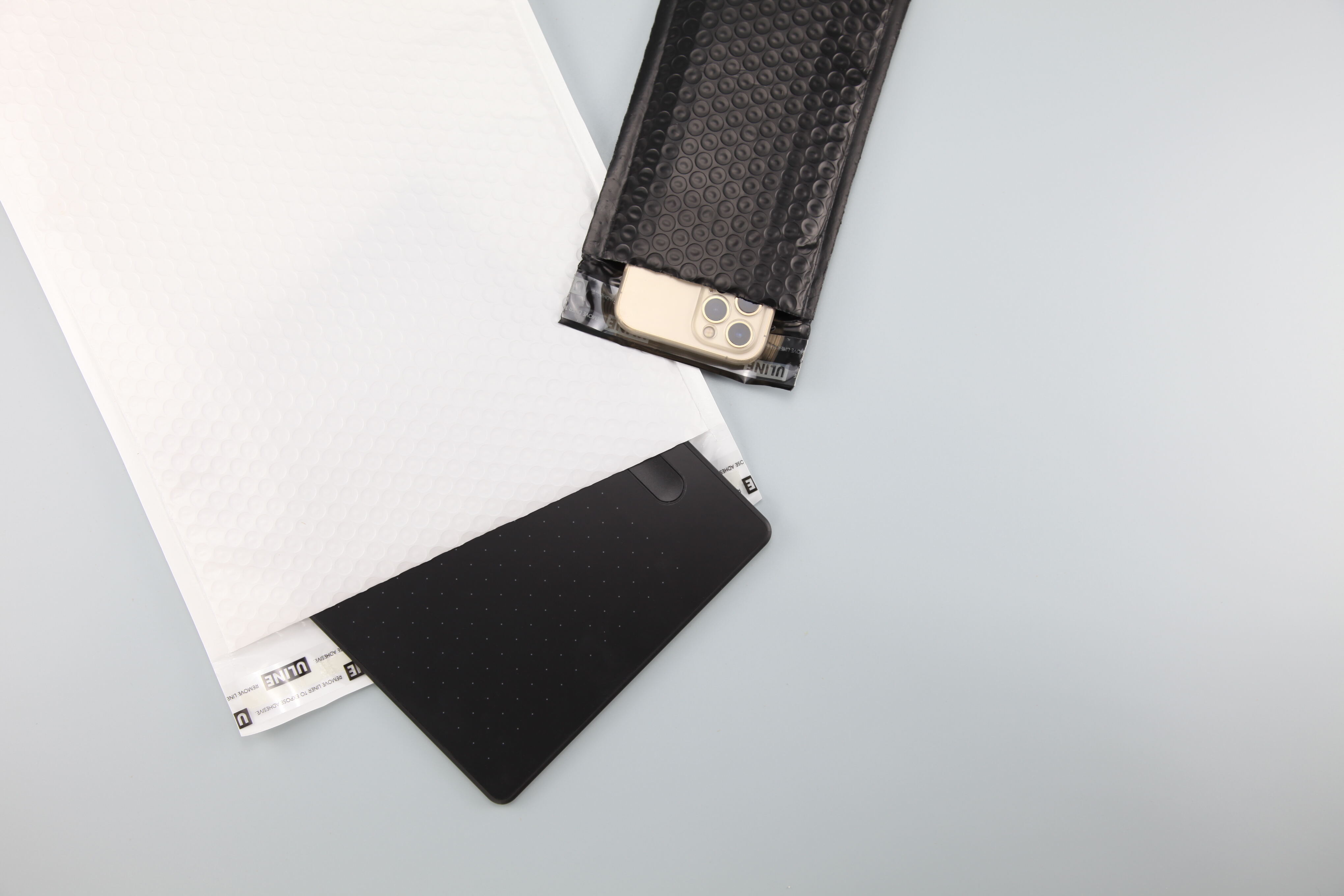
Electronics represent one of the most challenging product categories for long-distance shipping due to their sensitivity to impact, moisture, and static electricity. Poly bubble mailers excel in protecting electronic devices through their combination of cushioning, moisture resistance, and anti-static properties available in specialized variants. The bubble cushioning prevents damage to delicate internal components, while the moisture barrier protects sensitive circuitry from humidity-related failures.
The lightweight nature of poly bubble mailers makes them particularly advantageous for shipping electronics, as they add minimal weight to packages while providing comprehensive protection. This weight efficiency translates to reduced shipping costs, especially important for high-value electronics where protection cannot be compromised but cost control remains essential.
Static-dissipative versions of poly bubble mailers provide additional protection for sensitive electronic components by preventing static electricity buildup during handling and transport. This specialized protection ensures that even the most sensitive semiconductor devices arrive in perfect working condition.
Pharmaceutical and Medical Supplies
The pharmaceutical industry relies heavily on poly bubble mailers for shipping temperature-sensitive medications, diagnostic equipment, and medical devices. The protective properties of these mailers help maintain product integrity during the extended transit times common in pharmaceutical distribution networks. The moisture barrier protection prevents degradation of hygroscopic medications, while the cushioning properties protect fragile medical instruments.
Regulatory compliance requirements in pharmaceutical shipping often mandate specific packaging standards, and many poly bubble mailers meet or exceed these requirements. The tamper-evident features available in certain mailer designs provide additional security for controlled substances and high-value medications.
The chemical resistance of quality polyethylene materials ensures that poly bubble mailers remain inert when in contact with pharmaceutical products, preventing contamination or unwanted chemical reactions that could compromise product safety or efficacy.
Cost-Effectiveness in Long-Distance Shipping
Shipping Weight Optimization
One of the most significant advantages of poly bubble mailers in long-distance shipping scenarios involves their exceptional weight-to-protection ratio. Traditional rigid packaging materials often add substantial weight to shipments, increasing transportation costs, especially for air freight where weight charges can be substantial. Poly bubble mailers provide comparable or superior protection while adding minimal weight to packages.
The lightweight characteristics of these mailers become increasingly important as shipping distances increase and transportation costs accumulate. For businesses shipping large volumes over long distances, the weight savings achieved by using poly bubble mailers instead of heavier alternatives can result in significant cost reductions over time.
Volume efficiency represents another cost advantage, as poly bubble mailers conform closely to product dimensions, minimizing dimensional weight charges that many carriers impose. This space efficiency allows shippers to optimize their packaging without sacrificing protection quality.
Damage Reduction and Insurance Benefits
The superior protective performance of poly bubble mailers translates directly into reduced damage rates during long-distance shipping. Lower damage rates mean fewer insurance claims, reduced replacement costs, and improved customer satisfaction scores. These benefits compound over time, creating substantial cost savings for businesses that prioritize packaging quality.
Many shipping insurance providers recognize the protective value of quality packaging materials like poly bubble mailers, sometimes offering reduced premiums for shipments using approved protective packaging. This recognition reflects the proven track record of these mailers in preventing damage and reducing claim frequencies.
The consistency and reliability of poly bubble mailers also contribute to improved shipping efficiency, as packages are less likely to require special handling or experience delays due to damage during transit. This reliability translates into faster delivery times and improved customer experiences.
Environmental Considerations and Sustainability
Recycling and Waste Reduction
Modern poly bubble mailers incorporate environmental considerations through recyclable materials and waste reduction strategies. Many manufacturers now produce these mailers using recycled polyethylene content, reducing the environmental impact of new material production. The recyclability of polyethylene materials means that used poly bubble mailers can be processed into new products rather than contributing to landfill waste.
The durability of poly bubble mailers also contributes to environmental sustainability by reducing packaging waste. Unlike single-use alternatives that may fail during shipping and require replacement, quality poly bubble mailers maintain their protective properties throughout long-distance journeys, eliminating the need for additional protective materials.
Some manufacturers offer biodegradable versions of poly bubble mailers that maintain protective performance while providing end-of-life disposal advantages. These innovative materials break down safely in appropriate composting environments, addressing concerns about long-term environmental impact.
Carbon Footprint Reduction
The lightweight nature of poly bubble mailers contributes to reduced carbon emissions during transportation by minimizing fuel consumption per package. This environmental benefit becomes more significant as shipping distances increase and transportation methods become more carbon-intensive.
Manufacturing efficiency improvements in poly bubble mailer production have reduced the energy requirements for creating these protective packaging solutions. Advanced production techniques minimize material waste and optimize energy usage, contributing to lower overall carbon footprints for the packaging lifecycle.
The space efficiency of poly bubble mailers allows more packages to fit in each transportation vehicle, improving load factors and reducing the number of trips required for shipping operations. This optimization contributes to overall transportation efficiency and environmental impact reduction.
Selection Criteria for Optimal Protection
Size and Thickness Considerations
Selecting the appropriate poly bubble mailers for long-distance shipping requires careful consideration of size, thickness, and bubble specifications. The mailer size should provide adequate coverage while avoiding excessive material that could increase costs without improving protection. Proper sizing ensures that products fit securely within the protective envelope without excessive movement during transit.
Thickness requirements vary based on product fragility, shipping distance, and handling expectations. Heavier or more fragile items typically require thicker poly bubble mailers with enhanced cushioning properties, while lighter products may achieve adequate protection with standard thickness options.
Bubble size selection impacts protective performance, with smaller bubbles providing better surface contact for lightweight items and larger bubbles offering superior cushioning for heavier products. Understanding these relationships helps optimize protection while controlling packaging costs.
Seal Strength and Closure Methods
The integrity of poly bubble mailers during long-distance shipping depends heavily on seal strength and closure reliability. Quality mailers feature strong adhesive strips that maintain their bonding strength throughout extended shipping periods, even under stress or environmental challenges.
Different closure methods offer varying levels of security and tamper evidence, important considerations for valuable or sensitive shipments. Some poly bubble mailers include multiple closure options or reinforced sealing areas to enhance security during long-distance transport.
Testing seal strength under simulated shipping conditions helps ensure that selected poly bubble mailers will perform reliably throughout their intended shipping routes. This testing becomes particularly important for international shipments that may encounter extended handling periods and diverse environmental conditions.
FAQ
What makes poly bubble mailers more effective than regular envelopes for long-distance shipping?
Poly bubble mailers provide superior protection through their multi-layer construction that combines moisture-resistant polyethylene outer layers with air-filled bubble cushioning. This design offers impact absorption, environmental protection, and durability that regular envelopes cannot match. The bubble layer distributes forces evenly across products, preventing damage from drops, compression, or rough handling during extended shipping journeys. Additionally, the moisture barrier properties protect contents from humidity and environmental contamination that could occur during long-distance transport.
How do bubble mailers maintain their protective properties during extended shipping periods?
Quality poly bubble mailers maintain their protective properties through engineered air chambers that resist permanent compression and high-grade polyethylene materials that retain flexibility and strength over time. The air bubbles are designed to compress under impact and then recover their shape, providing consistent cushioning throughout the shipping process. The polyethylene materials resist degradation from temperature fluctuations, UV exposure, and chemical contact, ensuring reliable performance from origin to destination regardless of shipping duration.
Are poly bubble mailers suitable for international shipping requirements?
Yes, poly bubble mailers are well-suited for international shipping due to their lightweight construction, durability, and compliance with various shipping regulations. They meet most international packaging standards while providing excellent protection during the extended transit times and multiple handling stages common in international logistics. Many poly bubble mailers also feature customs-friendly designs that facilitate inspection processes without compromising package integrity. Their moisture resistance proves particularly valuable for shipments crossing different climate zones.
What factors should be considered when choosing poly bubble mailers for specific products?
Key selection factors include product weight, fragility level, dimensions, and shipping distance. Heavier items require thicker mailers with larger bubbles for enhanced cushioning, while delicate electronics may need anti-static properties. Size selection should provide adequate protection without excessive material waste, and seal strength requirements vary based on security needs and handling expectations. Environmental factors such as temperature sensitivity or moisture vulnerability should also influence material specifications and barrier properties selection.
Table of Contents
- Construction and Materials of Poly Bubble Mailers
- Protection Mechanisms During Transit
- Versatility Across Product Categories
- Cost-Effectiveness in Long-Distance Shipping
- Environmental Considerations and Sustainability
- Selection Criteria for Optimal Protection
-
FAQ
- What makes poly bubble mailers more effective than regular envelopes for long-distance shipping?
- How do bubble mailers maintain their protective properties during extended shipping periods?
- Are poly bubble mailers suitable for international shipping requirements?
- What factors should be considered when choosing poly bubble mailers for specific products?