
 EN
EN
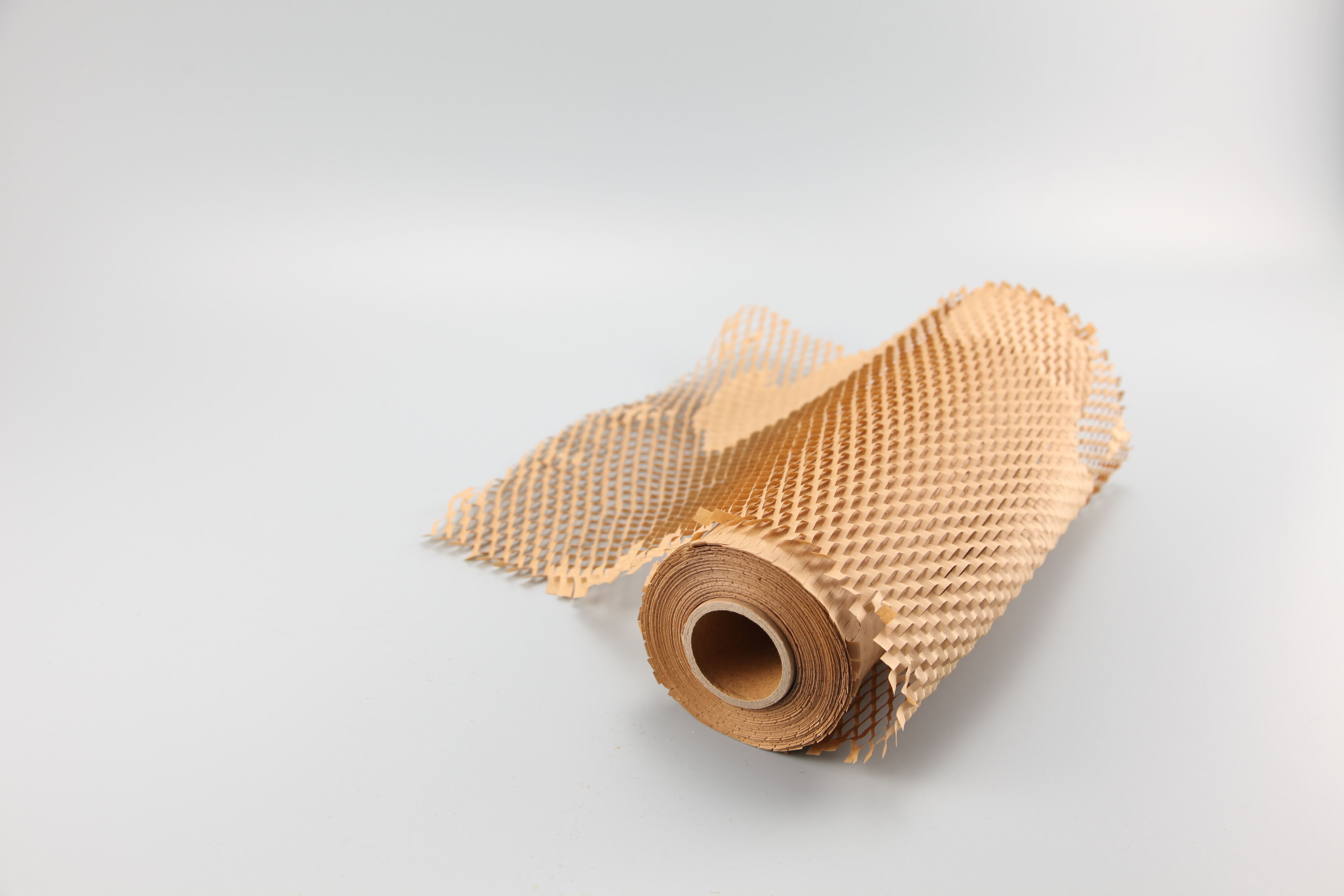
In today's environmentally conscious marketplace, businesses are increasingly seeking sustainable alternatives to traditional packaging materials. Honeycomb paper rolls have emerged as a revolutionary solution that combines exceptional protective qualities with eco-friendly characteristics. These innovative packaging materials offer companies an opportunity to reduce their environmental footprint while maintaining superior product protection during shipping and storage. The unique cellular structure of honeycomb paper rolls provides outstanding cushioning properties that rival conventional plastic-based packaging materials.
The growing demand for sustainable packaging solutions has driven manufacturers to develop increasingly sophisticated honeycomb paper rolls that meet diverse industry requirements. These materials are crafted from renewable resources and feature biodegradable properties that align with circular economy principles. Companies across various sectors are adopting honeycomb paper rolls as their primary packaging solution to meet sustainability goals while ensuring product integrity throughout the supply chain.
Understanding the Structure and Manufacturing of Honeycomb Paper Rolls
Core Material Composition and Design Principles
The fundamental design of honeycomb paper rolls is based on the natural hexagonal cell structure found in beehives, which provides exceptional strength-to-weight ratios. These packaging materials consist of two outer paper layers bonded to an inner honeycomb core, creating a lightweight yet durable protective barrier. The hexagonal cell configuration distributes impact forces evenly across the surface, making honeycomb paper rolls highly effective for cushioning fragile items during transportation.
Manufacturing processes for honeycomb paper rolls utilize recycled and virgin paper fibers that are processed without harmful chemicals or synthetic additives. The production method involves creating the honeycomb core through precise folding and bonding techniques that maximize structural integrity. Quality control measures ensure that each batch of honeycomb paper rolls meets specific compression strength and flexibility requirements for various packaging applications.
Sustainability Features and Environmental Benefits
The environmental advantages of honeycomb paper rolls extend far beyond their biodegradable nature, encompassing the entire product lifecycle from raw material sourcing to end-of-life disposal. These packaging materials are manufactured using water-based adhesives and renewable fiber sources that minimize environmental impact. The production process generates significantly lower carbon emissions compared to plastic-based alternatives, making honeycomb paper rolls an attractive option for environmentally responsible companies.
Recyclability is a key feature of honeycomb paper rolls, as they can be processed through standard paper recycling systems without requiring specialized facilities. The absence of plastic coatings or synthetic components ensures that these materials break down naturally in composting environments within 60 to 90 days. This rapid decomposition rate makes honeycomb paper rolls particularly suitable for companies implementing zero-waste packaging strategies.
Applications and Industries Benefiting from Honeycomb Paper Rolls
E-commerce and Retail Packaging Solutions
The e-commerce industry has embraced honeycomb paper rolls as an essential component of sustainable packaging systems that protect products while minimizing environmental impact. Online retailers use these materials for void filling, product wrapping, and cushioning applications that ensure items arrive undamaged to customers. The versatility of honeycomb paper rolls allows them to conform to irregular shapes and provide customized protection for diverse product categories ranging from electronics to fragile glassware.
Retail establishments benefit from using honeycomb paper rolls for in-store packaging needs, particularly for gift wrapping and customer purchase protection. The aesthetic appeal of these materials, combined with their eco-friendly properties, enhances brand image and demonstrates corporate responsibility to environmentally conscious consumers. Many retailers have reported increased customer satisfaction when using honeycomb paper rolls as their primary packaging solution.
Industrial and Manufacturing Sector Implementation
Manufacturing companies utilize honeycomb paper rolls for protecting finished goods during storage and transportation, particularly in industries where product integrity is critical. Automotive parts suppliers, electronics manufacturers, and furniture producers have integrated these materials into their packaging protocols to ensure components arrive at assembly facilities in perfect condition. The shock-absorbing properties of honeycomb paper rolls make them ideal for protecting sensitive equipment and precision instruments during long-distance shipping.
Industrial applications of honeycomb paper rolls extend to temporary protective solutions during construction and renovation projects. Contractors use these materials to safeguard surfaces, equipment, and finished installations from dust, moisture, and impact damage. The easy handling and disposal characteristics of honeycomb paper rolls make them cost-effective alternatives to plastic sheeting and foam padding in construction environments.

Performance Characteristics and Technical Specifications
Mechanical Properties and Protection Capabilities
The mechanical performance of honeycomb paper rolls is characterized by excellent compression resistance, flexibility, and energy absorption properties that surpass many conventional packaging materials. Laboratory testing demonstrates that these materials can withstand significant compressive forces while maintaining their protective capabilities throughout multiple handling cycles. The cellular structure allows honeycomb paper rolls to compress under load and recover their original shape, providing consistent protection for packaged items.
Impact resistance testing reveals that honeycomb paper rolls effectively distribute shock forces across their surface area, reducing the risk of damage to packaged products. The materials demonstrate superior performance in drop tests and vibration studies compared to traditional paper-based packaging solutions. Edge crush strength measurements confirm that honeycomb paper rolls maintain structural integrity under various loading conditions encountered during typical shipping and handling procedures.
Customization Options and Size Variations
Manufacturers offer honeycomb paper rolls in numerous configurations to meet specific packaging requirements across different industries and applications. Standard width options range from narrow strips suitable for small item protection to wide rolls designed for large-scale wrapping applications. Thickness variations allow users to select the appropriate level of cushioning based on product fragility and shipping conditions.
Custom printing capabilities enable companies to incorporate branding elements, handling instructions, and sustainability messaging directly onto honeycomb paper rolls. Perforation patterns can be added to facilitate easy tearing and portion control during packaging operations. Color options extend beyond natural kraft brown to include white, colored, and printed varieties that enhance product presentation while maintaining environmental benefits.
Cost-Effectiveness and Economic Advantages
Initial Investment and Long-Term Savings
While the initial cost of honeycomb paper rolls may be slightly higher than some traditional packaging materials, the long-term economic benefits justify the investment for most businesses. Reduced damage rates during shipping result in fewer customer complaints, returns, and replacement costs, generating significant savings over time. The lightweight nature of honeycomb paper rolls reduces shipping costs compared to heavier protective materials, contributing to overall logistics efficiency.
Storage efficiency represents another economic advantage of honeycomb paper rolls, as they require less warehouse space than bulky alternatives like foam padding or inflatable cushions. The roll format allows for easy dispensing and portion control, reducing material waste and associated disposal costs. Companies implementing honeycomb paper rolls often report improved packaging speed and worker productivity due to the ease of handling these materials.
Supply Chain Integration and Vendor Relationships
Establishing reliable supply chains for honeycomb paper rolls involves partnering with manufacturers who prioritize quality consistency and sustainable sourcing practices. Leading suppliers offer comprehensive support services including technical consultation, custom solution development, and inventory management programs. Long-term contracts with honeycomb paper rolls manufacturers often include volume discounts and guaranteed pricing structures that help companies manage packaging costs effectively.
Supply chain resilience benefits from the availability of multiple honeycomb paper rolls manufacturers and the flexibility of production scaling. Unlike specialized synthetic materials that may have limited sources, paper-based honeycomb products can be sourced from various suppliers, reducing supply risk. The standardized manufacturing processes for honeycomb paper rolls ensure consistent quality across different suppliers, facilitating vendor diversification strategies.
Implementation Strategies and Best Practices
Transition Planning and Staff Training
Successfully implementing honeycomb paper rolls requires comprehensive planning that addresses current packaging processes, equipment compatibility, and staff training needs. Companies should conduct pilot programs to evaluate performance under actual operating conditions before full-scale deployment. Training programs for packaging personnel should cover proper handling techniques, optimal application methods, and quality control procedures specific to honeycomb paper rolls.
Change management strategies should emphasize the environmental and economic benefits of honeycomb paper rolls to gain employee buy-in and ensure consistent implementation across all packaging operations. Regular monitoring and feedback collection help identify optimization opportunities and address any challenges that arise during the transition period. Documentation of best practices creates a knowledge base for training new employees and maintaining consistent packaging standards.
Quality Control and Performance Monitoring
Establishing quality control protocols for honeycomb paper rolls ensures consistent performance and customer satisfaction throughout the implementation process. Regular testing of material properties, including compression strength, moisture resistance, and dimensional stability, helps maintain packaging effectiveness. Tracking damage rates, customer feedback, and packaging efficiency metrics provides valuable data for continuous improvement initiatives.
Performance monitoring systems should include supplier quality assessments, incoming material inspections, and finished package evaluations to maintain high standards. Regular audits of packaging procedures ensure that honeycomb paper rolls are being used correctly and efficiently. Feedback loops with customers and internal stakeholders help identify areas for improvement and validate the effectiveness of the packaging solution.
FAQ
How do honeycomb paper rolls compare to plastic bubble wrap in terms of protection
Honeycomb paper rolls provide comparable or superior protection to plastic bubble wrap while offering significant environmental advantages. The cellular structure of honeycomb paper rolls distributes impact forces more effectively than bubble wrap, reducing the risk of product damage during shipping. Unlike bubble wrap, honeycomb paper rolls maintain their protective properties even after compression and do not lose effectiveness over time through air leakage.
What is the shelf life and storage requirements for honeycomb paper rolls
Honeycomb paper rolls have an indefinite shelf life when stored properly in dry conditions away from direct sunlight and extreme temperatures. The materials should be kept in their original packaging until use to prevent moisture absorption and maintain dimensional stability. Proper storage includes maintaining relative humidity below 70% and avoiding exposure to chemicals or contaminants that could affect paper quality.
Can honeycomb paper rolls be customized for specific industry requirements
Yes, honeycomb paper rolls can be extensively customized to meet specific industry needs including size, thickness, color, printing, and performance characteristics. Manufacturers offer various cell sizes, paper weights, and bonding methods to optimize protection for different product types. Custom perforation patterns, adhesive strips, and specialized coatings can be incorporated to enhance functionality for particular applications while maintaining environmental benefits.
Are honeycomb paper rolls cost-effective for small businesses
Honeycomb paper rolls are increasingly cost-effective for small businesses due to competitive pricing, reduced shipping costs, and elimination of damage-related expenses. The versatility of these materials allows small businesses to use one product for multiple packaging needs, simplifying inventory management. Many suppliers offer small quantity orders and flexible terms that make honeycomb paper rolls accessible to businesses of all sizes while providing significant long-term savings through improved protection and sustainability benefits.