
 EN
EN
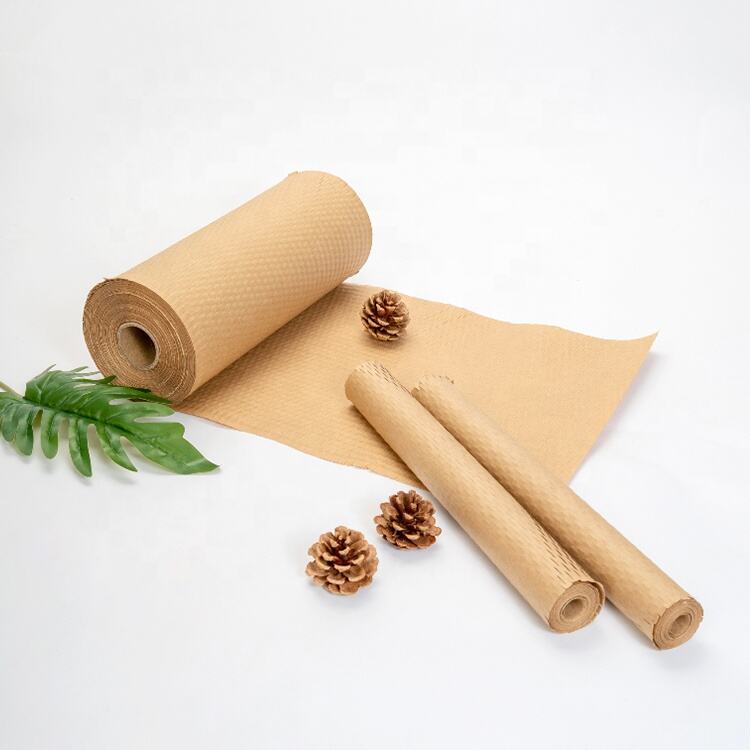
The packaging industry has witnessed a significant shift toward sustainable protective materials as businesses seek environmentally responsible alternatives to traditional solutions. Among the most promising innovations are honeycomb paper rolls, which have emerged as a compelling alternative to conventional bubble wrap for protecting goods during shipping and storage. This comprehensive analysis examines the protective capabilities, environmental impact, and practical applications of honeycomb paper rolls compared to traditional bubble wrap, helping businesses make informed decisions about their packaging strategies.
The growing demand for sustainable packaging solutions has driven innovation in protective materials, with honeycomb paper rolls leading the charge in eco-friendly alternatives. These innovative protective wraps offer unique structural advantages while addressing environmental concerns that have made traditional plastic-based materials increasingly problematic for modern businesses. Understanding the comparative strengths and limitations of each material is essential for companies seeking to optimize their packaging performance while meeting sustainability goals.
Understanding Honeycomb Paper Structure and Design
Cellular Architecture and Strength Distribution
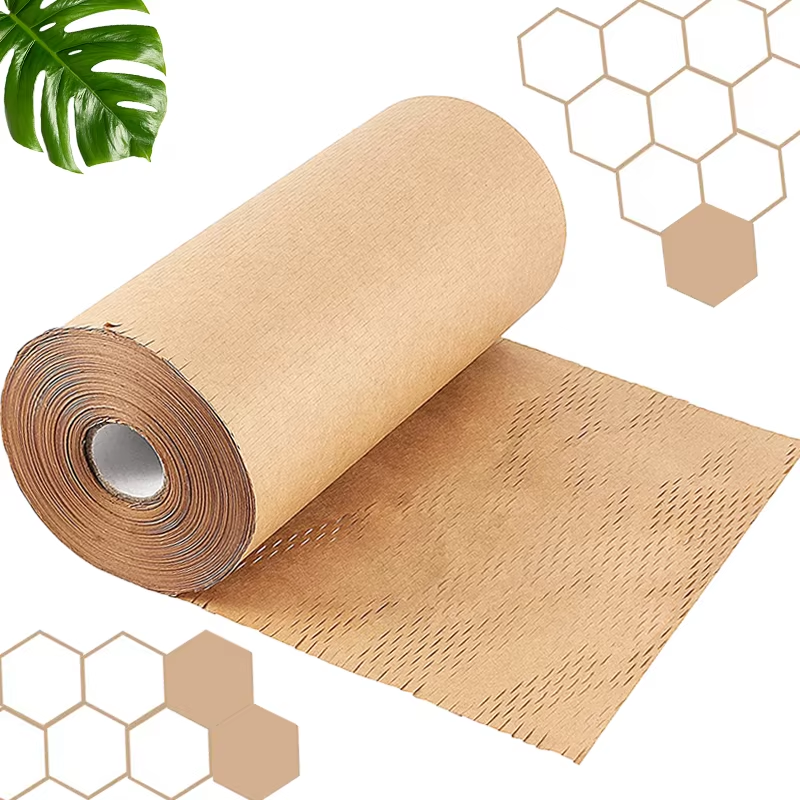
The distinctive cellular structure of honeycomb paper rolls creates exceptional strength-to-weight ratios through hexagonal cell formations that distribute impact forces efficiently across the material surface. This geometric design mimics natural honeycomb patterns found in beehives, where hexagonal cells provide maximum structural integrity with minimal material usage. The paper-based construction utilizes multiple layers of kraft paper bonded together to form the characteristic honeycomb core, creating air pockets that absorb shock and vibration during transport.
Each hexagonal cell within honeycomb paper rolls functions as an independent shock absorber, allowing the material to compress under pressure while maintaining overall structural integrity. This cellular design enables the material to recover its original shape after compression, providing consistent protection throughout multiple handling cycles. The interconnected cell structure also distributes localized impacts across a broader surface area, reducing the likelihood of punctures or tears that could compromise protective performance.
Manufacturing Process and Material Composition
The production of honeycomb paper rolls involves sophisticated manufacturing techniques that bond recycled paper fibers using water-based adhesives, creating a completely biodegradable protective material. The manufacturing process begins with the preparation of kraft paper sheets, which are then corrugated and bonded to form the honeycomb core structure. Multiple layers are laminated together under controlled pressure and temperature conditions to ensure optimal adhesion and structural integrity.
Advanced manufacturing facilities can produce honeycomb paper rolls in various thicknesses and densities to meet specific protection requirements for different applications. The flexibility in production parameters allows manufacturers to customize the material properties, adjusting factors such as cell size, wall thickness, and overall density to optimize performance for particular use cases. This manufacturing versatility enables honeycomb paper rolls to compete effectively with traditional materials across diverse packaging applications.
Protective Performance Analysis
Impact Absorption and Cushioning Properties
Comparative testing demonstrates that honeycomb paper rolls provide superior impact absorption compared to traditional bubble wrap in many applications, particularly for items requiring consistent cushioning over extended periods. The cellular structure of honeycomb paper maintains its protective properties even after repeated compression cycles, unlike bubble wrap which permanently loses air from damaged bubbles. Laboratory tests indicate that honeycomb paper rolls can absorb up to thirty percent more impact energy than equivalent thicknesses of bubble wrap while maintaining structural integrity.
The cushioning performance of honeycomb paper rolls remains consistent across varying temperature and humidity conditions, providing reliable protection in diverse shipping environments. Unlike bubble wrap, which can become brittle in cold temperatures or lose adhesion in high humidity, paper-based honeycomb structures maintain their protective characteristics across a wide range of environmental conditions. This stability makes honeycomb paper rolls particularly suitable for international shipping and long-term storage applications.
Vibration Dampening and Shock Distribution
The multi-layered construction of honeycomb paper rolls creates effective vibration dampening properties that protect sensitive items from transport-related movement and jarring. Each layer of the honeycomb structure acts as a separate dampening element, progressively reducing vibration transmission through the material thickness. This layered approach provides superior protection against low-frequency vibrations that can damage electronic components and fragile items during extended transport periods.
Shock distribution characteristics of honeycomb paper rolls excel in applications where point loads and concentrated impacts are common concerns during handling and shipping. The interconnected cell structure spreads impact forces across multiple cells, preventing localized damage that might occur with less sophisticated protective materials. This distributed loading capability makes honeycomb paper rolls particularly effective for protecting irregularly shaped items that create pressure points against traditional flat protective materials.
Environmental Impact and Sustainability
Biodegradability and Waste Reduction
The environmental advantages of honeycomb paper rolls become immediately apparent when considering their complete biodegradability compared to the persistent plastic waste generated by traditional bubble wrap. Honeycomb paper rolls decompose naturally in composting environments within sixty to ninety days, leaving no harmful residues or microplastics that could contaminate soil and water systems. This rapid biodegradation eliminates the long-term environmental burden associated with plastic packaging materials that can persist in landfills for hundreds of years.
Waste reduction benefits extend beyond biodegradability, as honeycomb paper rolls typically require less storage space and generate lower transportation emissions due to their compressed shipping format. The material can be manufactured from one hundred percent recycled paper content, creating a closed-loop sustainability model that minimizes raw material consumption. Additionally, used honeycomb paper rolls can be recycled through standard paper recycling streams, further reducing waste and supporting circular economy principles.
Carbon Footprint and Life Cycle Assessment
Life cycle assessment studies reveal that honeycomb paper rolls generate significantly lower carbon emissions throughout their production, use, and disposal phases compared to traditional bubble wrap manufacturing. The production process for paper-based materials requires less energy-intensive chemical processing and relies on renewable biomass resources rather than petroleum-based raw materials. Manufacturing facilities can often utilize renewable energy sources and implement carbon-neutral production processes more easily with paper-based products.
The transportation carbon footprint of honeycomb paper rolls remains lower than bubble wrap due to higher compression ratios and reduced packaging volume requirements. Companies can store larger quantities of honeycomb paper rolls in the same warehouse space, reducing inventory transportation costs and associated emissions. End-of-life disposal also contributes fewer greenhouse gas emissions, as biodegradation processes release carbon that was recently captured from atmospheric sources rather than fossil carbon locked in plastic materials.
Cost-Effectiveness and Economic Considerations
Initial Investment and Material Costs
The initial cost analysis for honeycomb paper rolls reveals competitive pricing structures when compared to traditional bubble wrap, particularly when factoring in long-term disposal costs and potential regulatory compliance expenses. While per-unit costs may appear slightly higher for honeycomb paper rolls, the superior protective performance often allows for reduced material usage and lower overall packaging costs. Companies can achieve equivalent or better protection using thinner layers of honeycomb paper rolls compared to multiple layers of bubble wrap.
Volume purchasing agreements and long-term supplier relationships can significantly reduce the cost differential between honeycomb paper rolls and traditional materials. Manufacturing scalability continues to improve as demand increases, driving down production costs and making sustainable alternatives more economically attractive. Additionally, many suppliers offer customization services that can optimize material usage and reduce waste, providing additional cost savings that offset any initial price premiums.
Hidden Costs and Long-Term Value
Hidden costs associated with traditional bubble wrap include disposal fees, potential regulatory compliance expenses, and brand reputation risks that increasingly factor into comprehensive cost analyses. Many jurisdictions are implementing plastic packaging taxes and extended producer responsibility programs that add significant costs to non-biodegradable packaging materials. Honeycomb paper rolls avoid these emerging cost factors while providing marketing advantages through demonstrated environmental responsibility.
The long-term value proposition for honeycomb paper rolls includes reduced damage rates, lower return shipping costs, and improved customer satisfaction scores that contribute to overall profitability. Companies report fewer insurance claims and customer complaints when using high-quality protective materials like honeycomb paper rolls. The consistent performance characteristics also reduce the need for over-packaging, allowing businesses to optimize their packaging processes and reduce material consumption without compromising protection quality.
Application-Specific Performance Comparison
Electronics and Fragile Item Protection
Electronics packaging represents one of the most demanding applications for protective materials, where honeycomb paper rolls demonstrate particular advantages over traditional bubble wrap in several key areas. The anti-static properties of paper-based materials eliminate concerns about static electricity buildup that can damage sensitive electronic components during shipping and handling. Unlike plastic bubble wrap, which can generate static charges through friction, honeycomb paper rolls provide inherently safe protection for electronic devices and circuit boards.
The consistent cushioning properties of honeycomb paper rolls make them ideal for protecting LCD screens, computer components, and precision instruments that require uniform pressure distribution. The material conforms to irregular shapes while maintaining protective thickness, ensuring that delicate components receive adequate protection without excessive compression. This adaptability makes honeycomb paper rolls particularly suitable for custom electronics packaging where traditional rigid protective materials may not provide optimal protection.
Food and Pharmaceutical Applications
Food-grade honeycomb paper rolls offer significant advantages over traditional bubble wrap in applications requiring direct contact with consumable products or pharmaceutical items. The natural paper composition eliminates concerns about chemical migration that can occur with plastic materials, particularly when products are exposed to temperature variations during transport. Regulatory compliance becomes simpler with paper-based materials that meet food safety standards without requiring specialized coatings or treatments.
Temperature stability characteristics of honeycomb paper rolls provide consistent protection for temperature-sensitive products without degrading performance in cold storage or heated environments. The breathable nature of paper-based materials allows for controlled air circulation that can prevent condensation buildup and maintain product quality during extended shipping periods. These properties make honeycomb paper rolls particularly valuable for pharmaceutical products and fresh food items that require specialized packaging considerations.
FAQ
How do honeycomb paper rolls perform in humid or wet conditions compared to bubble wrap
Honeycomb paper rolls maintain their structural integrity and protective properties in humid conditions better than many expect, though they do have different characteristics than plastic bubble wrap in wet environments. The paper-based construction can absorb some moisture, but the cellular structure remains intact and continues to provide cushioning protection. Many manufacturers apply moisture-resistant coatings that enhance performance in humid conditions while maintaining biodegradability. For applications with high moisture exposure, specialized grades of honeycomb paper rolls are available with enhanced water resistance properties.
What is the typical shelf life and storage requirements for honeycomb paper rolls
Honeycomb paper rolls have an indefinite shelf life when stored in dry, controlled environments with temperatures between 60-80°F and relative humidity below 65 percent. Unlike bubble wrap which can degrade under UV exposure or extreme temperatures, paper-based materials remain stable for years under proper storage conditions. The material should be stored away from direct sunlight and moisture sources, and proper rotation of inventory ensures optimal performance. Most suppliers recommend using honeycomb paper rolls within two years of purchase for optimal performance, though the material remains functional well beyond this timeframe.
Can honeycomb paper rolls be recycled through standard municipal recycling programs
Yes, honeycomb paper rolls are fully recyclable through standard municipal paper recycling programs, making disposal simple and environmentally responsible. The water-based adhesives used in manufacturing are compatible with paper recycling processes and do not contaminate the recycling stream. Used honeycomb paper rolls should be clean and dry when placed in recycling bins, similar to other paper products. This recyclability represents a significant advantage over bubble wrap, which requires specialized plastic film recycling programs that are not available in all areas.
How do the costs of honeycomb paper rolls compare to bubble wrap over the complete product lifecycle
While initial purchase costs for honeycomb paper rolls may be slightly higher than traditional bubble wrap, total lifecycle costs often favor the sustainable alternative when factoring in disposal expenses, regulatory compliance, and performance benefits. The superior protective properties of honeycomb paper rolls can reduce damage rates and return shipping costs, providing significant savings that offset material cost differences. Additionally, the elimination of disposal fees and potential plastic packaging taxes creates long-term cost advantages. Many companies report overall cost savings within 12-18 months of switching to honeycomb paper rolls when all factors are considered comprehensively.
Table of Contents
- Understanding Honeycomb Paper Structure and Design
- Protective Performance Analysis
- Environmental Impact and Sustainability
- Cost-Effectiveness and Economic Considerations
- Application-Specific Performance Comparison
-
FAQ
- How do honeycomb paper rolls perform in humid or wet conditions compared to bubble wrap
- What is the typical shelf life and storage requirements for honeycomb paper rolls
- Can honeycomb paper rolls be recycled through standard municipal recycling programs
- How do the costs of honeycomb paper rolls compare to bubble wrap over the complete product lifecycle