
 EN
EN
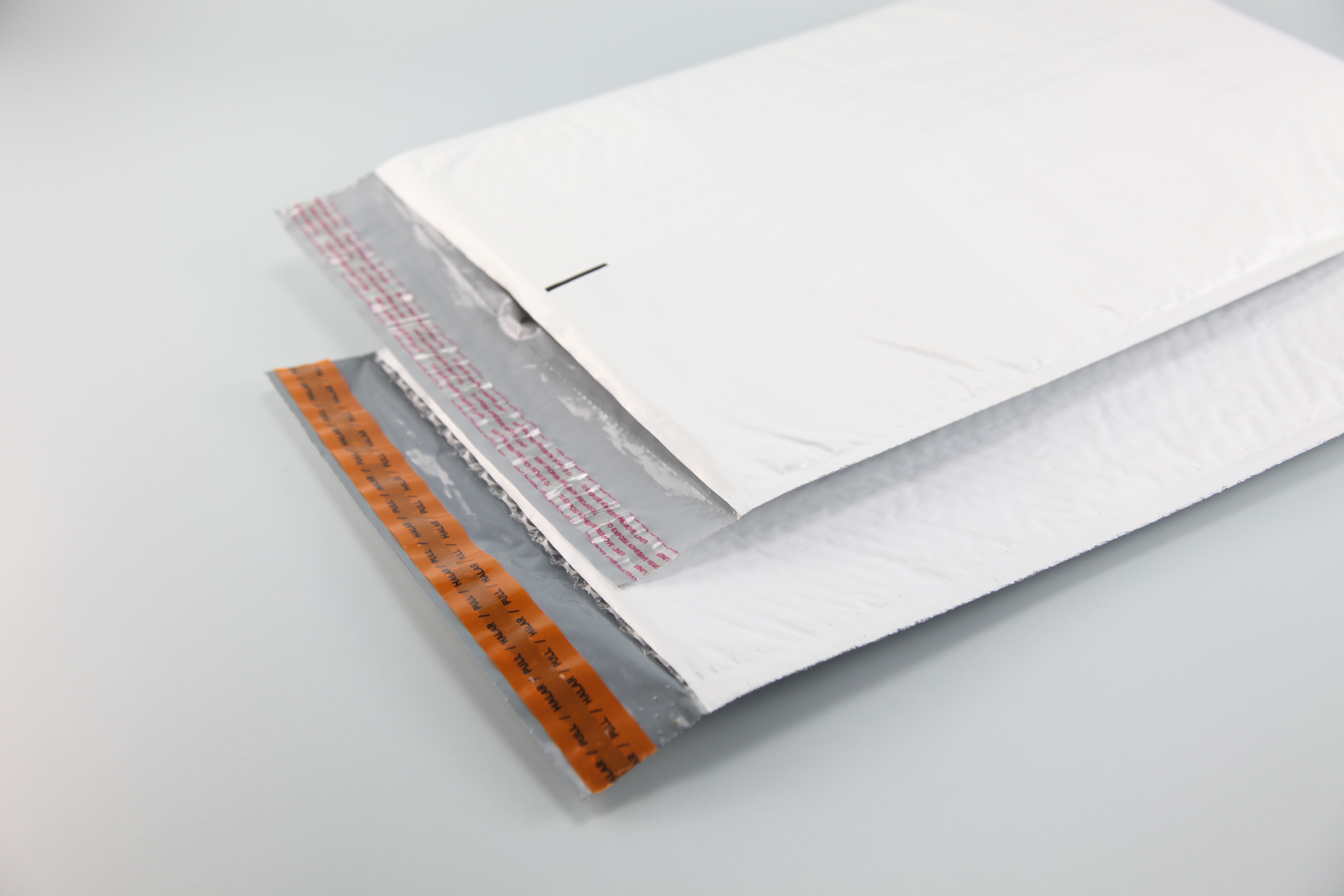
When it comes to shipping delicate items, choosing the right packaging solution can make the difference between a satisfied customer and a costly return. Bubble envelopes have revolutionized the packaging industry by offering superior protection compared to traditional paper envelopes. These innovative packaging solutions combine the convenience of lightweight envelopes with the protective capabilities of bubble cushioning, making them an essential choice for businesses and individuals shipping fragile items.
The packaging landscape has evolved significantly over the past decade, with businesses increasingly recognizing the importance of protective shipping materials. While paper envelopes served adequately for documents and lightweight items, the growing e-commerce sector demands packaging that can withstand the rigors of modern shipping networks. Bubble envelopes address this need by incorporating air-filled plastic bubbles that create a protective barrier around shipped items, significantly reducing the risk of damage during transit.
Understanding the fundamental differences between these packaging options is crucial for businesses looking to optimize their shipping operations. The choice between bubble envelopes and paper envelopes affects not only product protection but also customer satisfaction, return rates, and overall shipping costs. This comprehensive analysis examines the protection performance characteristics of both packaging types, helping you make informed decisions for your shipping needs.
Construction and Material Differences
Bubble Envelope Composition and Design
Bubble envelopes feature a multi-layered construction that sets them apart from conventional paper packaging. The outer layer typically consists of kraft paper or polyethylene film, providing tear resistance and moisture protection. The inner layer contains the signature bubble cushioning, created through a process that forms air-filled pockets in plastic sheeting. This dual-layer design creates a protective envelope that combines structural integrity with shock absorption capabilities.
The bubble layer in these envelopes varies in size and configuration depending on the intended application. Standard bubble envelopes use small bubbles measuring approximately 3/16 inch in diameter, providing excellent protection for lightweight items like jewelry, electronics, and small components. Larger bubble configurations are available for items requiring enhanced cushioning, with some bubble envelopes featuring bubbles up to half an inch in diameter for maximum protection.
Manufacturing quality plays a crucial role in the protective performance of bubble envelopes. High-quality versions feature reinforced seams and strong adhesive strips that maintain their integrity throughout the shipping process. The bubble layer is permanently bonded to the outer material, preventing separation and ensuring consistent protection. Many modern bubble envelopes also incorporate eco-friendly materials, combining environmental responsibility with superior protection performance.
Paper Envelope Structure and Limitations
Traditional paper envelopes rely primarily on their outer material for protection, typically constructed from various paper weights ranging from standard 20-pound stock to heavier 28-pound manila paper. While these envelopes provide adequate protection for documents and flat items, their single-layer construction offers minimal cushioning against impact forces. The protection level depends entirely on the paper thickness and quality, with heavier paper providing marginally better protection but at increased cost and weight.
Paper envelope construction focuses on containment rather than protection, with seams designed to prevent contents from escaping rather than absorbing shock. The lack of internal cushioning means that any impact forces are transmitted directly to the enclosed items. This limitation becomes particularly problematic when shipping items with corners, edges, or delicate surfaces that can be damaged by compression or impact during handling.
Moisture resistance represents another significant limitation of paper envelopes. Standard paper construction offers minimal protection against water damage, with even brief exposure to moisture potentially compromising both the envelope integrity and its contents. While some paper envelopes feature water-resistant coatings, these additions increase costs and still cannot match the inherent moisture protection offered by bubble envelopes with polyethylene outer layers.
Impact and Shock Absorption Performance
Cushioning Effectiveness Analysis
The superior shock absorption capabilities of bubble envelopes stem from their air-filled bubble design, which functions as countless tiny shock absorbers. When external forces are applied, the air-filled bubbles compress and distribute the impact energy across a larger surface area, significantly reducing the force transmitted to the enclosed items. This mechanism provides protection against drops, impacts, and compression forces commonly encountered during shipping and handling operations.
Testing data demonstrates that bubble envelopes can absorb up to 90 percent of impact forces, compared to less than 10 percent absorption provided by paper envelopes. This dramatic difference in protection performance translates directly to reduced damage rates and fewer customer complaints. The multi-directional protection offered by bubble envelopes ensures that items are safeguarded regardless of how the package is oriented during transit or how impacts occur.
The effectiveness of bubble envelope protection varies based on bubble size, envelope thickness, and the specific items being shipped. Smaller bubbles provide excellent protection for lightweight items and conform better to irregular shapes, while larger bubbles offer superior protection for heavier items that require more substantial cushioning. This versatility allows businesses to select appropriate bubble envelopes based on their specific protection requirements.
Comparative Impact Resistance Studies
Independent testing conducted by packaging laboratories consistently demonstrates the superior impact resistance of bubble envelopes compared to paper alternatives. Drop tests from standard shipping heights reveal that items shipped in bubble envelopes experience significantly lower damage rates across various product categories. Electronic components, for example, show damage rates of less than 2 percent when shipped in appropriate bubble envelopes, compared to damage rates exceeding 15 percent in paper envelopes.
Compression testing reveals similar advantages for bubble envelopes, with their ability to maintain protective characteristics under sustained pressure. The air-filled bubbles provide consistent cushioning even when packages are stacked or compressed during transit, maintaining protection throughout the shipping process. Paper envelopes, lacking internal cushioning, offer no resistance to compression forces, potentially allowing items to be damaged by pressure from other packages or handling equipment.
Vibration resistance testing shows that bubble envelopes excel at protecting items from the constant vibration encountered during truck, rail, and air transport. The cushioning effect of the bubble layer dampens vibrations that could otherwise cause damage to sensitive electronic components or delicate items. This protection characteristic is particularly important for shipping items with moving parts or delicate internal mechanisms that could be damaged by sustained vibration exposure.
Moisture and Environmental Protection
Water Resistance Capabilities
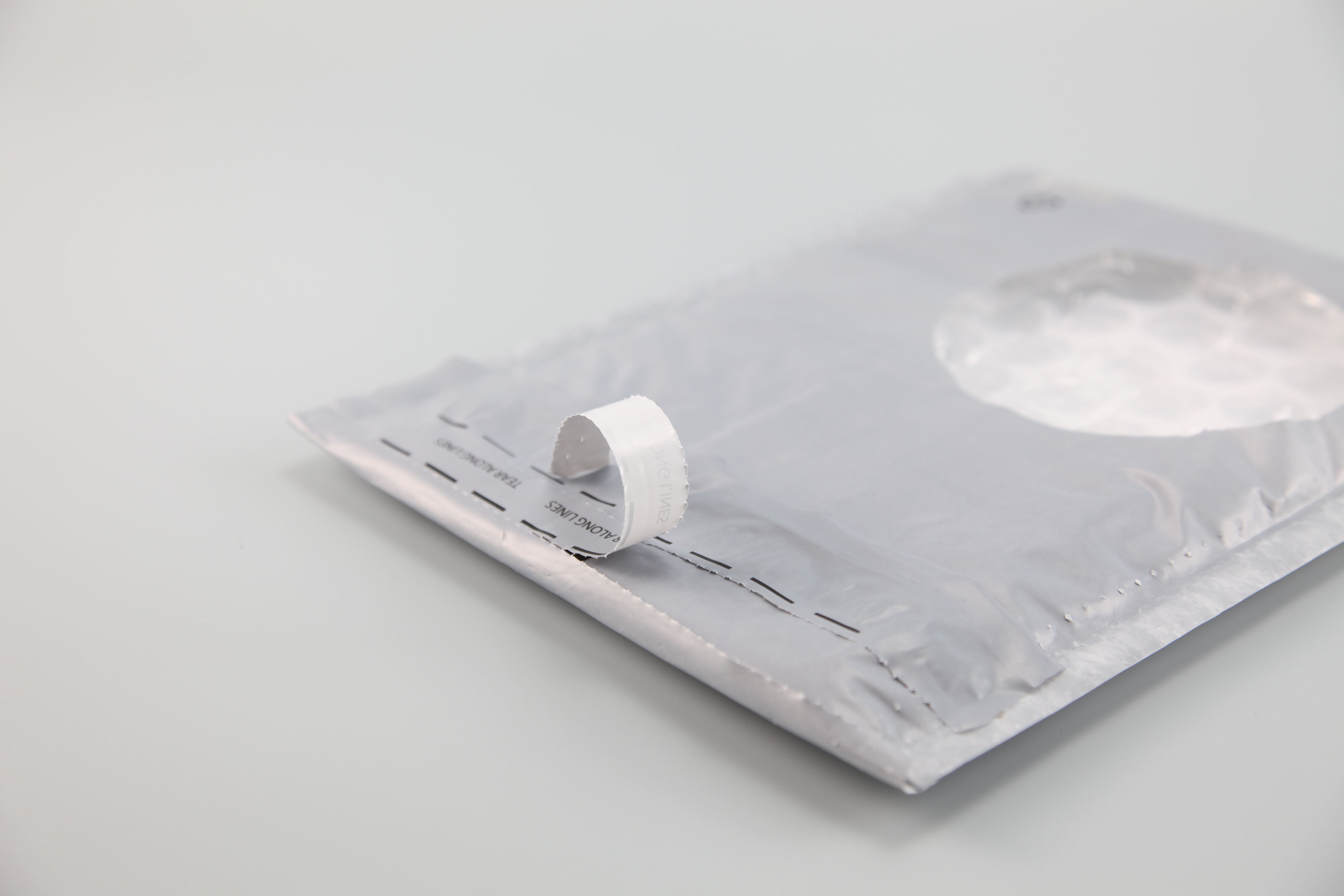
Environmental protection represents a critical advantage of bubble envelopes over traditional paper packaging. Many bubble envelopes feature polyethylene outer layers that provide excellent moisture resistance, protecting contents from humidity, light rain, and accidental water exposure during shipping. This water-resistant barrier prevents moisture-related damage that commonly affects paper envelopes and their contents during transit through various weather conditions.
The sealed construction of quality bubble envelopes creates an effective barrier against environmental contaminants including dust, dirt, and moisture. The combination of water-resistant materials and secure sealing mechanisms ensures that sensitive items remain protected throughout their journey. This environmental protection capability makes bubble envelopes particularly valuable for shipping electronics, documents, pharmaceuticals, and other moisture-sensitive items.
Temperature fluctuations during shipping can affect both packaging materials and their contents. Bubble envelopes provide some insulation benefits due to the air trapped within the bubble layer, helping to moderate temperature changes that could affect sensitive items. While not designed as thermal packaging, this modest insulation effect provides an additional layer of environmental protection not available with paper envelopes.
Chemical and Contamination Resistance
The plastic components in bubble envelopes offer superior resistance to chemical contamination compared to paper alternatives. Paper envelopes can absorb various chemicals and odors encountered during shipping, potentially affecting their contents. The non-porous surface of bubble envelope materials prevents absorption of most chemicals and contaminants, maintaining the integrity of shipped items even when exposed to industrial environments or chemical spills.
Food-grade bubble envelopes are available for shipping items that require protection from contamination, meeting regulatory requirements for packaging materials that may come into contact with consumable products. These specialized bubble envelopes provide the same excellent protection performance while ensuring compliance with food safety regulations, an option not available with standard paper envelopes.
UV resistance varies among different bubble envelope formulations, with some offering protection against ultraviolet light that could damage contents during extended shipping periods or storage in sunny environments. This protection capability helps preserve the quality of light-sensitive items, providing value beyond simple physical protection during transit.
Cost-Effectiveness and Value Analysis
Initial Investment Comparison
While bubble envelopes typically cost more per unit than paper envelopes, the total cost of ownership often favors the protective packaging option. The higher upfront cost of bubble envelopes is offset by reduced damage rates, fewer returns, and improved customer satisfaction. Businesses shipping valuable or fragile items often find that the additional protection provided by bubble envelopes more than justifies the increased packaging cost.
Volume purchasing significantly affects the cost differential between bubble envelopes and paper alternatives. Bulk purchasing of bubble envelopes can reduce per-unit costs to levels much closer to paper envelope pricing, making the protective packaging option more economically attractive for high-volume shippers. Many packaging suppliers offer quantity discounts that make bubble envelopes a cost-effective choice for businesses with regular shipping needs.
The versatility of bubble envelopes allows businesses to consolidate their packaging inventory, using a single envelope type for multiple applications rather than maintaining separate stocks of various paper envelope sizes and weights. This inventory simplification can reduce storage costs and minimize the risk of stockouts, providing operational benefits beyond simple cost savings.
Long-Term ROI Considerations
Return on investment calculations for packaging choices must include factors beyond initial material costs, including damage rates, return processing costs, customer satisfaction impacts, and brand reputation effects. Bubble envelopes consistently demonstrate superior ROI when these broader factors are considered, particularly for businesses shipping items valued above minimal thresholds where damage represents significant financial loss.
Customer satisfaction metrics show measurable improvements when businesses switch from paper to bubble envelope packaging. Reduced damage rates lead to fewer customer complaints, negative reviews, and return requests, all of which have quantifiable positive impacts on business operations. The professional appearance and obvious protective intent of bubble envelopes also enhance customer perceptions of product quality and company reliability.
Insurance and liability considerations may also favor bubble envelope usage, as some shipping insurance providers offer reduced premiums or better coverage for items shipped in protective packaging. The documented superior protection performance of bubble envelopes can support insurance claims and demonstrate reasonable precautions were taken to prevent damage during shipping.
Application-Specific Performance Scenarios
Electronics and Sensitive Components
Electronic components represent one of the most demanding applications for shipping packaging, requiring protection from static electricity, moisture, impact, and vibration. Bubble envelopes excel in these applications, with anti-static versions available for shipping sensitive electronic components. The cushioning provided by bubble envelopes protects delicate circuit boards, connectors, and other components from damage that could render them inoperable.
Small electronic devices such as smartphones, tablets, and accessories benefit significantly from the protection offered by bubble envelopes. The conforming nature of the bubble cushioning provides protection around irregular shapes and edges, areas particularly vulnerable to damage during shipping. The moisture resistance of many bubble envelopes also protects electronic components from humidity-related corrosion and failure.
Replacement parts and repair components often have high individual values despite small sizes, making protection during shipping critical to maintaining profit margins. Bubble envelopes provide cost-effective protection for these items while maintaining the lightweight characteristics important for shipping cost control. The professional appearance of bubble envelopes also reinforces quality perceptions important in the electronics aftermarket.
Jewelry and Precious Items
High-value items such as jewelry require both security and protection during shipping, making bubble envelopes an ideal packaging choice. The opaque outer layer of most bubble envelopes provides security by concealing contents, while the internal cushioning protects against damage from impacts and vibration. The moisture resistance helps prevent tarnishing and corrosion of metal components during shipping.
The conforming nature of bubble envelope cushioning accommodates irregular shapes common in jewelry items, providing protection around delicate settings, chains, and decorative elements. This comprehensive protection ensures that items arrive in pristine condition, maintaining their aesthetic and monetary value. The secure sealing of bubble envelopes also provides tamper evidence, important for high-value shipments.
Custom sizing options available for bubble envelopes allow jewelers to select packaging that provides optimal protection without excessive bulk or weight. Right-sized packaging reduces shipping costs while ensuring adequate protection, an important consideration for businesses shipping high volumes of varied jewelry items. The professional appearance of quality bubble envelopes also enhances the customer unboxing experience for luxury items.
Environmental Impact and Sustainability
Recyclability and Eco-Friendly Options
Modern bubble envelopes increasingly incorporate recycled materials and eco-friendly designs that address environmental concerns while maintaining superior protection performance. Recyclable bubble envelopes are available that can be processed through standard recycling streams, reducing their environmental impact compared to traditional options. Some manufacturers offer bubble envelopes made from 100% recycled materials without compromising protection capabilities.
Biodegradable alternatives to traditional plastic bubble materials are emerging in the market, utilizing materials such as recycled paper honeycomb and bio-based plastics. These innovative materials provide protection performance comparable to conventional bubble materials while offering improved end-of-life environmental characteristics. The development of these sustainable options demonstrates the industry's commitment to environmental responsibility.
Life cycle analysis of packaging options must consider not only the materials used but also the protection provided and resulting damage rates. Bubble envelopes often demonstrate superior overall environmental performance when reduced damage rates are factored into the analysis, as preventing product damage eliminates the environmental impact of manufacturing, shipping, and disposing of replacement items.
Waste Reduction Through Damage Prevention
The superior protection provided by bubble envelopes contributes to waste reduction by preventing product damage that would otherwise result in disposal of damaged goods. This damage prevention benefit extends beyond the immediate environmental impact of the packaging materials themselves, considering the broader environmental cost of replacing damaged products throughout the supply chain.
Reduced return rates associated with bubble envelope usage translate directly to environmental benefits through decreased transportation, reduced packaging waste from returned items, and elimination of disposal costs for damaged products. These secondary environmental benefits often exceed the environmental impact of choosing protective packaging over basic alternatives.
Some bubble envelope manufacturers offer take-back programs for used packaging materials, enabling closed-loop recycling that maximizes the environmental benefits of choosing recycled and recyclable packaging options. These programs support circular economy principles while providing businesses with convenient disposal options for used packaging materials.
FAQ
What makes bubble envelopes more protective than paper envelopes
Bubble envelopes provide superior protection through their air-filled bubble layer that acts as shock absorbers, distributing impact forces and cushioning contents against drops, compression, and vibration. The multi-layer construction combines tear-resistant outer materials with internal cushioning, offering protection capabilities that paper envelopes simply cannot match due to their single-layer design.
Are bubble envelopes worth the extra cost compared to paper envelopes
Yes, bubble envelopes typically provide excellent return on investment through reduced damage rates, fewer returns, and improved customer satisfaction. While the initial cost per envelope is higher, the total cost of ownership often favors bubble envelopes when factoring in replacement costs, return processing expenses, and customer retention benefits from reliable product delivery.
Can bubble envelopes be recycled like paper envelopes
Many modern bubble envelopes are recyclable, though the process differs from paper recycling. Look for bubble envelopes made with recyclable materials and check local recycling guidelines for plastic film recycling options. Some manufacturers offer take-back programs, and eco-friendly versions made from recycled materials are increasingly available to address environmental concerns.
How do I choose the right size bubble envelope for maximum protection
Select bubble envelopes that provide 1-2 inches of clearance around your items to ensure adequate cushioning without excessive bulk. Consider both the dimensions and weight of your items, choosing smaller bubble sizes for lightweight items and larger bubbles for heavier products. The envelope should allow natural positioning of contents without forcing items into corners where protection may be compromised.