
 EN
EN
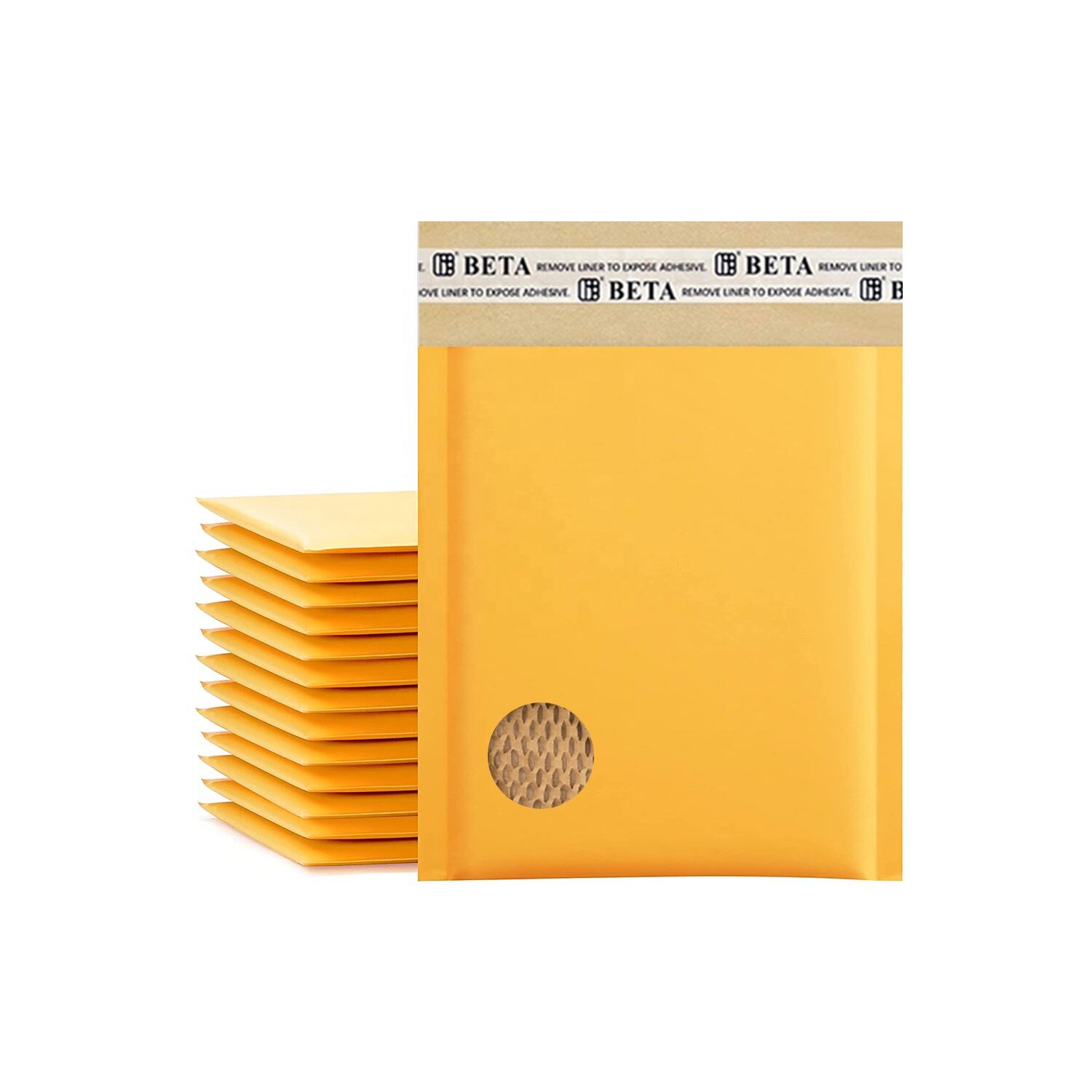
In today's rapidly evolving e-commerce landscape, businesses across industries are constantly seeking packaging solutions that balance protection, cost efficiency, and environmental responsibility. Padded mailers have emerged as a versatile and practical choice for shipping a wide range of products, from electronics and cosmetics to books and small accessories. These innovative packaging solutions combine the lightweight benefits of traditional envelopes with the protective qualities of bubble wrap or foam padding, creating an optimal shipping experience for both businesses and consumers.
The growing demand for efficient packaging solutions has positioned padded mailers as an essential component of modern shipping strategies. Unlike traditional cardboard boxes, these specialized envelopes provide excellent cushioning while maintaining a significantly lower weight profile, resulting in reduced shipping costs and improved handling efficiency. The integration of protective materials within a flexible envelope structure allows businesses to ship delicate items with confidence while minimizing their environmental footprint and operational expenses.
Understanding the multifaceted benefits of padded mailers is crucial for businesses looking to optimize their shipping operations. From small online retailers to large-scale distributors, companies are discovering how these innovative packaging solutions can transform their logistics processes while maintaining high standards of product protection and customer satisfaction.
Enhanced Product Protection Through Advanced Design
Multi-Layer Cushioning Technology
Modern padded mailers incorporate sophisticated multi-layer cushioning systems that provide superior protection for shipped items. The outer layer typically consists of durable kraft paper or plastic film that resists tears and punctures, while the inner padding material absorbs impacts and vibrations during transit. This dual-protection approach ensures that fragile items remain secure throughout the shipping process, reducing the likelihood of damage claims and customer dissatisfaction.
The cushioning materials used in quality padded mailers are engineered to distribute pressure evenly across the surface of packaged items. Bubble wrap padding features air-filled chambers that compress upon impact, absorbing shock and preventing direct contact between the product and the envelope's exterior. Alternative padding materials, such as recycled paper fill or biodegradable foam, offer similar protective qualities while supporting environmental sustainability initiatives.
Moisture and Environmental Resistance
Professional-grade padded mailers often feature moisture-resistant barriers that protect contents from humidity, rain, and other environmental factors encountered during shipping. The exterior materials are treated or manufactured to repel water while maintaining breathability to prevent condensation buildup. This environmental protection is particularly important for sensitive items such as electronics, pharmaceuticals, or documents that could be damaged by exposure to moisture.
The sealing mechanisms employed in high-quality padded mailers create secure closures that prevent contamination and tampering. Self-adhesive strips provide reliable sealing without requiring additional tape or equipment, while perforated tear strips enable easy opening by recipients without compromising the package's integrity during transit.
Cost Efficiency and Economic Advantages
Reduced Shipping Weight and Dimensional Costs
One of the most significant economic advantages of using padded mailers is their impact on shipping costs through weight and dimensional optimization. Traditional cardboard packaging often adds substantial weight and bulk to shipments, resulting in higher freight charges based on both weight and dimensional weight calculations. Padded mailers eliminate much of this excess packaging material while maintaining protective capabilities, leading to measurable cost savings across high-volume shipping operations.
The flexible nature of padded mailers allows them to conform more closely to the shape of packaged items, reducing wasted space and improving packaging efficiency. This space optimization translates directly into lower shipping costs, as carriers increasingly base their pricing on dimensional weight calculations that factor in package volume as well as actual weight.
Inventory Management and Storage Efficiency
Businesses benefit from the storage efficiency of padded mailers compared to rigid packaging alternatives. These flexible envelopes can be stored flat in compact stacks, requiring significantly less warehouse space than pre-formed boxes or containers. This storage efficiency reduces overhead costs related to inventory management and allows businesses to maintain larger packaging inventories without proportional increases in storage requirements.
The standardized sizing options available for padded mailers enable businesses to streamline their packaging processes and reduce the variety of packaging materials they need to stock. This standardization simplifies ordering, inventory tracking, and staff training while ensuring consistent packaging quality across all shipments.

Environmental Sustainability and Eco-Friendly Benefits
Recyclable Materials and Reduced Waste
Contemporary padded mailers are increasingly manufactured using recyclable and biodegradable materials that align with corporate sustainability goals and environmental regulations. Kraft paper exteriors can be processed through standard paper recycling streams, while innovative padding materials made from recycled content or biodegradable polymers minimize long-term environmental impact. This eco-friendly approach helps businesses reduce their carbon footprint while meeting consumer expectations for responsible packaging practices.
The reduced material usage inherent in padded mailer design contributes to overall waste reduction compared to traditional packaging methods. By eliminating the need for separate cushioning materials, void fill, and oversized containers, these integrated packaging solutions minimize the total amount of waste generated per shipment while maintaining protection standards.
Carbon Footprint Reduction
The lightweight characteristics of padded mailers directly contribute to reduced transportation emissions through lower fuel consumption during shipping. When multiplied across thousands or millions of shipments, the weight savings achieved by using padded mailers instead of heavier packaging alternatives result in measurable reductions in greenhouse gas emissions. This environmental benefit supports corporate sustainability initiatives while potentially qualifying businesses for carbon offset credits or environmental certifications.
Manufacturing processes for modern padded mailers increasingly incorporate renewable energy sources and efficient production methods that minimize environmental impact. Leading manufacturers are investing in sustainable production technologies and supply chain optimization to further reduce the environmental footprint of their packaging products.
Versatility Across Industries and Applications
E-commerce and Retail Applications
The versatility of padded mailers makes them suitable for a wide range of e-commerce applications, from small electronics and accessories to clothing and cosmetics. Online retailers appreciate the professional appearance and branding opportunities these packages provide, as custom printing and logo placement create memorable unboxing experiences for customers. The consistent presentation achieved with quality padded mailers reinforces brand identity and contributes to positive customer perceptions.
Subscription box services and direct-to-consumer brands have embraced padded mailers for their ability to accommodate various product sizes and shapes while maintaining cost-effective shipping profiles. The flexibility of these packages allows for efficient packing of mixed product assortments without requiring multiple packaging types or excessive cushioning materials.
Industrial and B2B Shipping
Beyond consumer applications, padded mailers serve important roles in business-to-business shipping scenarios where cost control and reliability are paramount. Industrial suppliers use these packages for shipping small components, samples, and replacement parts that require protection but don't justify the expense of rigid packaging. The professional appearance and reliable protection offered by quality padded mailers support business relationships and ensure that critical components arrive in optimal condition.
The tamper-evident features available in many padded mailers provide additional security for sensitive or valuable shipments in industrial applications. These security features, combined with tracking capabilities and insurance options, create comprehensive protection for high-value items shipped in lightweight packaging.
Quality Considerations and Selection Criteria
Material Quality and Construction Standards
Selecting appropriate padded mailers requires careful consideration of material quality and construction standards that will meet specific shipping requirements. The durability of exterior materials, effectiveness of padding systems, and reliability of closure mechanisms all contribute to overall package performance. High-quality padded mailers feature reinforced seams, consistent padding distribution, and materials that maintain their protective properties throughout the shipping cycle.
Testing and certification processes ensure that professional-grade padded mailers meet industry standards for protection and performance. These quality assurance measures provide businesses with confidence that their chosen packaging solutions will perform consistently across various shipping conditions and handling scenarios.
Customization and Branding Options
Modern manufacturing capabilities enable extensive customization options for padded mailers, including custom sizes, colors, printing, and special features tailored to specific business requirements. Custom branding elements such as logos, marketing messages, and return addresses can be integrated into the package design, creating marketing opportunities that extend beyond mere product protection.
The availability of various sizes and configurations ensures that businesses can find padded mailers optimized for their specific product lines and shipping volumes. This customization capability allows for packaging standardization while accommodating diverse product requirements within a unified packaging system.
Implementation Strategies and Best Practices
Packaging Process Integration
Successful implementation of padded mailers requires integration with existing packaging processes and staff training to ensure optimal results. Efficient packing techniques that maximize the protective benefits of padded mailers while maintaining speed and consistency are essential for high-volume operations. Training programs should cover proper item placement, sealing procedures, and quality control measures to maintain packaging standards.
Automated packaging systems can be adapted to work effectively with padded mailers, enabling high-speed processing while maintaining protection quality. The flexible nature of these packages allows them to work well with various automated packaging equipment, from simple sealing machines to sophisticated packaging lines that handle multiple package types.
Quality Control and Performance Monitoring
Establishing quality control procedures for padded mailer usage ensures consistent packaging quality and helps identify potential issues before they impact customer satisfaction. Regular monitoring of package performance, including damage rates, customer feedback, and shipping cost analysis, provides valuable data for optimizing packaging strategies and supplier relationships.
Performance metrics specific to padded mailers should include protection effectiveness, cost per shipment, environmental impact measures, and customer satisfaction ratings. These metrics enable businesses to make data-driven decisions about packaging optimization and supplier selection while continuously improving their shipping operations.
FAQ
What types of products are best suited for shipping in padded mailers?
Padded mailers are ideal for shipping lightweight to medium-weight items that require cushioning protection, including electronics, cosmetics, books, documents, small accessories, jewelry, pharmaceuticals, and clothing. They work best for products that can fit comfortably within the envelope dimensions without requiring rigid structural support. Items with irregular shapes or those requiring presentation packaging may need alternative solutions.
How do padded mailers compare to traditional cardboard boxes in terms of shipping costs?
Padded mailers typically reduce shipping costs by 15-40% compared to cardboard boxes due to their lighter weight and more efficient dimensional profile. The exact savings depend on package size, shipping distance, and carrier pricing structures. The elimination of additional cushioning materials and reduced packaging labor also contribute to overall cost reductions in high-volume shipping operations.
Are padded mailers environmentally friendly and recyclable?
Modern padded mailers made with kraft paper exteriors and recyclable padding materials are environmentally friendly and can be processed through standard recycling streams. Many manufacturers now use recycled content and biodegradable materials in their construction. The reduced material usage and lower shipping weights also contribute to decreased environmental impact compared to traditional packaging methods.
What should businesses consider when selecting a padded mailer supplier?
Key considerations include material quality and durability, customization capabilities, pricing and volume discounts, delivery reliability, environmental certifications, and technical support services. Businesses should also evaluate the supplier's quality control processes, testing procedures, and ability to provide consistent product specifications across large orders. Sample testing and pilot programs can help verify performance before committing to large-volume purchases.