
 EN
EN
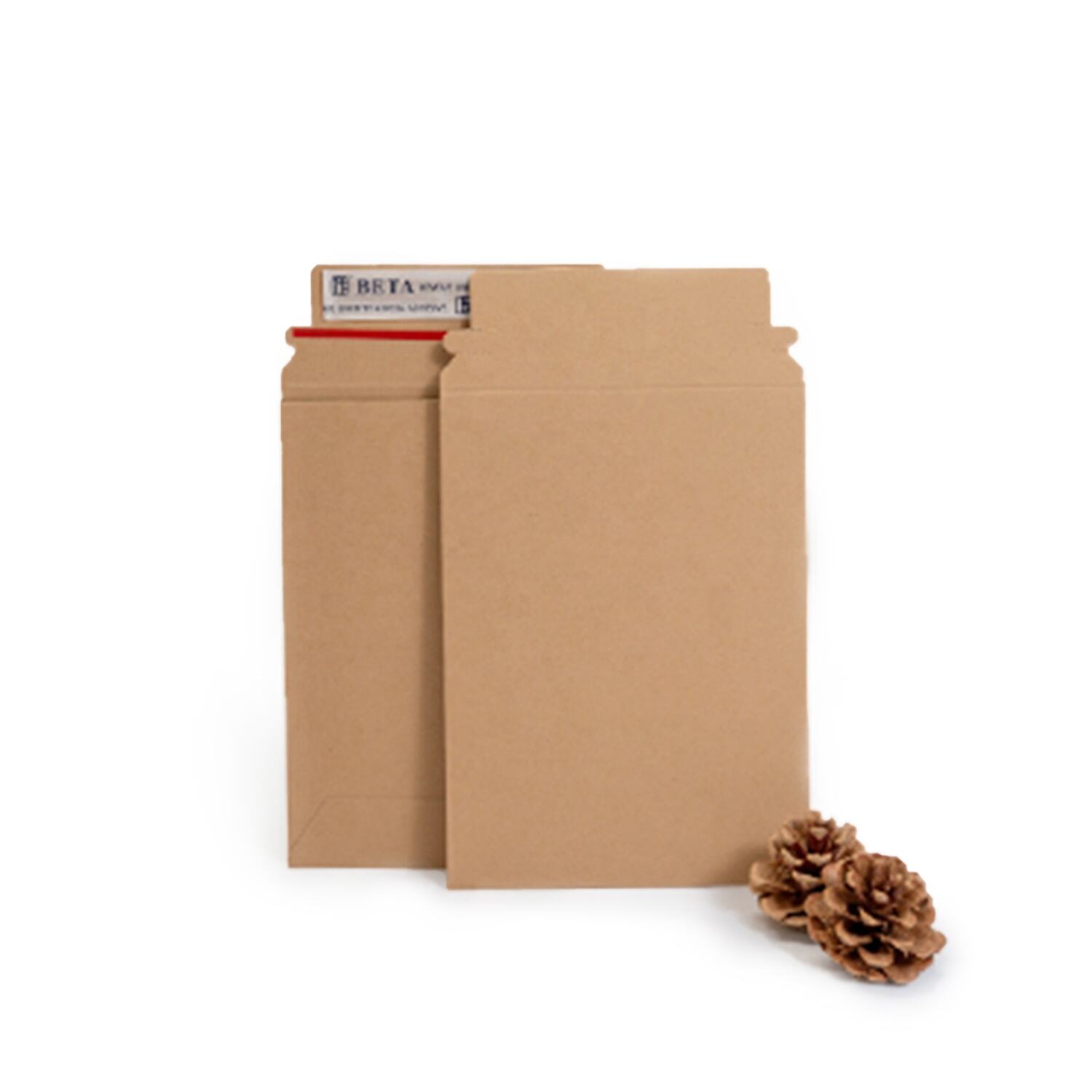
In today's competitive business landscape, companies are constantly seeking ways to reduce shipping costs while maintaining product integrity and customer satisfaction. Paper mailers have emerged as one of the most cost-effective packaging solutions for bulk shipping operations across various industries. These lightweight, durable packaging options offer significant advantages over traditional shipping methods, particularly when businesses need to send large volumes of products efficiently. The growing adoption of paper mailers reflects a broader shift toward sustainable and economical packaging practices that benefit both businesses and the environment.
Understanding the Cost Structure of Paper Mailers
Material Costs and Manufacturing Efficiency
Paper mailers offer substantial cost savings compared to rigid boxes or plastic alternatives due to their efficient manufacturing process and raw material requirements. The production of paper mailers utilizes recycled cardboard and kraft paper, which are significantly less expensive than virgin materials or synthetic packaging options. Manufacturing facilities can produce paper mailers in high volumes with minimal waste, further reducing per-unit costs. The streamlined production process eliminates complex molding or forming procedures required for other packaging types, translating into lower manufacturing overhead that benefits end users.
The standardized dimensions and flat-pack design of paper mailers contribute to manufacturing economies of scale. Producers can optimize their equipment for consistent output, reducing setup times and material waste between production runs. This efficiency allows manufacturers to offer competitive pricing even for smaller bulk orders, making paper mailers accessible to businesses of various sizes. The cost advantages become even more pronounced when companies order in larger quantities, as volume discounts significantly reduce the per-unit expense.
Shipping Weight Advantages
One of the most significant cost benefits of paper mailers stems from their lightweight construction, which directly impacts shipping expenses across all carrier services. Traditional cardboard boxes often add substantial weight to shipments, increasing dimensional weight charges and overall freight costs. Paper mailers typically weigh 60-80% less than equivalent-sized rigid packaging, resulting in immediate shipping cost reductions. This weight advantage becomes particularly valuable for businesses shipping large volumes, where even small per-package savings multiply into significant annual cost reductions.
The lightweight nature of paper mailers also enables more efficient loading and handling throughout the logistics chain. Warehouse workers can process larger quantities of packages per hour, reducing labor costs associated with order fulfillment. Transportation vehicles can carry more packages within weight limits, improving delivery efficiency and reducing the number of trips required for bulk shipments. These operational efficiencies contribute to overall cost savings that extend beyond simple material expenses.
Volume Efficiency and Storage Benefits
Warehouse Space Optimization
Paper mailers excel in warehouse storage efficiency due to their flat-pack design and stackable configuration. Unlike pre-formed boxes that consume significant storage space regardless of whether they're filled, paper mailers arrive flat and require minimal warehouse real estate until ready for use. This storage efficiency allows businesses to maintain larger inventories of packaging materials without expanding warehouse facilities or incurring additional storage costs. The space savings can be particularly valuable in urban areas where warehouse space commands premium pricing.
The compact storage profile of paper mailers enables businesses to optimize their inventory management strategies. Companies can stock multiple sizes and styles without overwhelming their storage capacity, providing flexibility to accommodate various product types and shipping requirements. The reduced storage footprint also simplifies inventory tracking and reduces the risk of packaging material damage during warehouse operations. These factors combine to create a more efficient and cost-effective packaging inventory system.
Automated Fulfillment Integration
Modern fulfillment centers increasingly rely on automated packaging systems to process high-volume orders efficiently. Paper mailers integrate seamlessly with automated packaging equipment, reducing the need for manual assembly and decreasing labor costs per package. The consistent dimensions and folding patterns of paper mailers enable reliable machine processing, minimizing packaging errors and reducing waste from damaged materials. Automated systems can process paper mailers significantly faster than rigid boxes, increasing throughput and reducing operational costs.
The automation compatibility of paper mailers extends to printing and customization processes as well. High-speed printing equipment can apply branding, addresses, and tracking information directly onto paper mailers during the packaging process, eliminating the need for separate labeling steps. This integration reduces processing time and labor costs while improving package presentation and brand visibility. The streamlined workflow enabled by paper mailers contributes to overall operational efficiency and cost reduction in high-volume shipping environments.
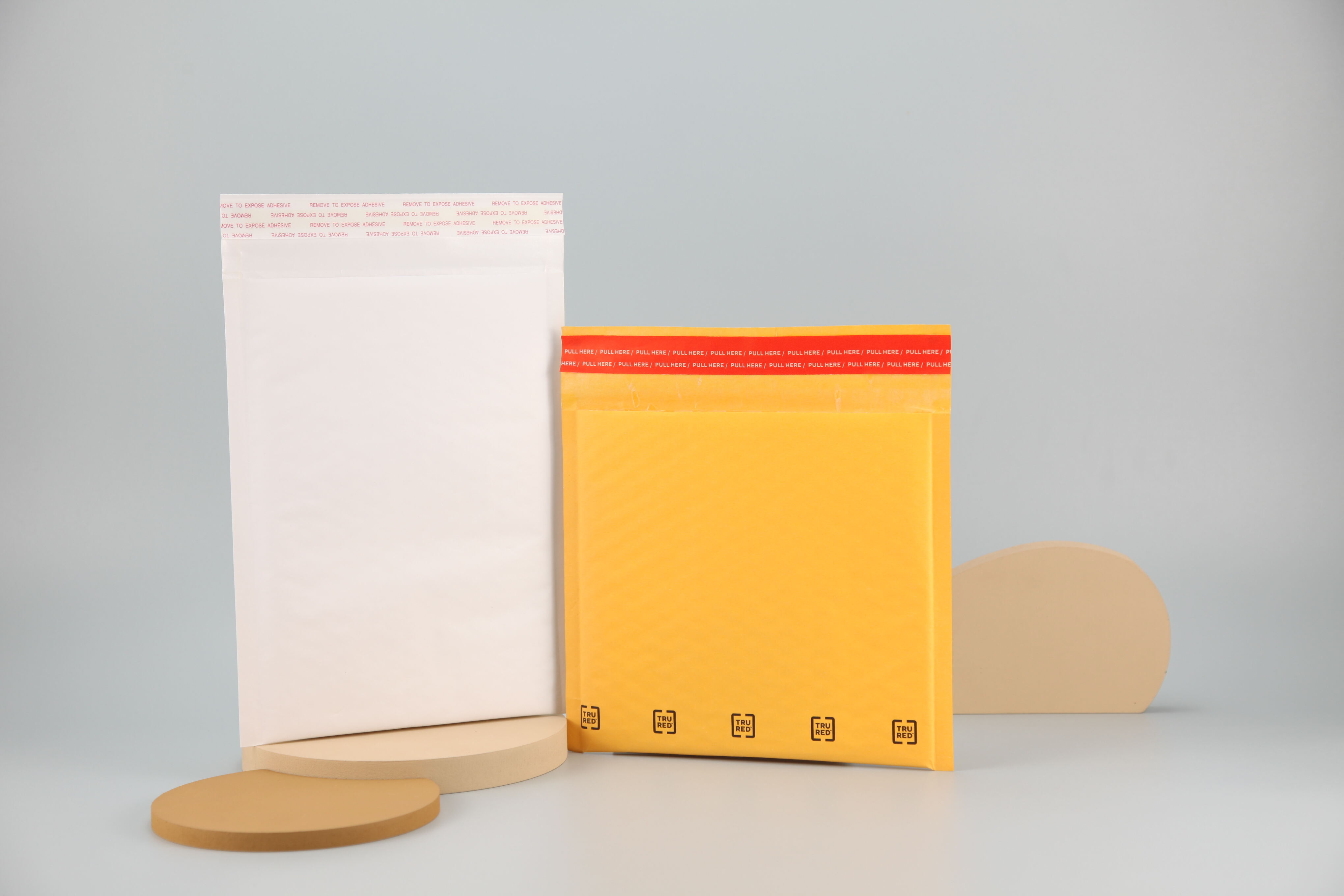
Environmental and Sustainability Cost Benefits
Recycling and Waste Management Savings
The environmental benefits of paper mailers translate directly into cost savings through reduced waste management expenses and potential tax incentives. Paper mailers are typically manufactured from recycled materials and remain fully recyclable at the end of their lifecycle, reducing disposal costs for both businesses and customers. Companies can often reduce their waste management fees by demonstrating increased use of recyclable packaging materials, particularly in jurisdictions with waste reduction incentives or penalties for non-recyclable packaging.
The biodegradable nature of paper mailers eliminates long-term environmental liabilities associated with plastic packaging materials. Businesses can avoid potential future costs related to extended producer responsibility regulations or environmental cleanup requirements. The sustainable profile of paper mailers also supports corporate social responsibility initiatives, potentially improving brand reputation and customer loyalty, which can translate into increased sales and market share over time.
Carbon Footprint Reduction
The manufacturing and transportation of paper mailers typically generates a smaller carbon footprint compared to alternative packaging options, supporting businesses' sustainability goals while potentially reducing carbon offset costs. The lightweight design of paper mailers reduces fuel consumption during transportation, contributing to lower emissions per package delivered. Companies with carbon reduction commitments can use paper mailers as part of their strategy to meet environmental targets without purchasing additional carbon credits or offsets.
The reduced environmental impact of paper mailers can also support businesses in meeting sustainability reporting requirements and achieving environmental certifications. These credentials can open doors to new business opportunities, particularly with environmentally conscious customers or in markets where sustainability requirements influence purchasing decisions. The long-term cost benefits of improved market positioning and reduced regulatory compliance expenses add value beyond immediate packaging cost savings.
Customization and Branding Cost Efficiency
Print-Ready Surface Advantages
Paper mailers provide an excellent printing surface that accepts various ink types and printing processes without requiring additional surface treatments or coatings. This print-ready characteristic reduces customization costs compared to plastic or coated packaging materials that may require special inks or preparation processes. Businesses can achieve high-quality branding and marketing messages directly on paper mailers using standard commercial printing equipment, eliminating the need for separate labels or additional packaging components.
The versatility of paper mailers in accepting different printing techniques enables cost-effective customization for various market segments or promotional campaigns. Companies can produce small runs of specialized designs without the high setup costs typically associated with custom packaging. The ability to print variable data, including addresses, tracking numbers, and personalized messages, directly onto paper mailers streamlines the fulfillment process and reduces labor costs associated with separate labeling operations.
Design Flexibility and Market Responsiveness
The relatively simple construction of paper mailers enables rapid design modifications and prototype development at minimal cost. Businesses can test new packaging concepts, seasonal designs, or market-specific customizations without significant financial commitment. The quick turnaround time for paper mailer design changes allows companies to respond rapidly to market opportunities or customer feedback, potentially increasing sales and market competitiveness.
Paper mailers can accommodate various closure mechanisms and security features without requiring specialized manufacturing equipment or processes. Companies can select appropriate security levels and closure types based on their specific product requirements and shipping conditions, optimizing both cost and performance. The flexibility to adjust design elements such as tear strips, adhesive placement, and reinforcement areas enables businesses to fine-tune their packaging performance while maintaining cost efficiency.
Industry-Specific Applications and Cost Analysis
E-commerce and Retail Fulfillment
E-commerce businesses particularly benefit from the cost advantages of paper mailers when shipping non-fragile products such as clothing, books, documents, and accessories. The protective qualities of paper mailers adequately safeguard these items during transit while significantly reducing packaging costs compared to boxes. Online retailers can maintain competitive shipping rates while protecting profit margins through the use of appropriately sized paper mailers that minimize both material and shipping costs.
The customer experience benefits of paper mailers also contribute to long-term cost savings for e-commerce businesses. The easy-open design and minimal packaging waste appeal to environmentally conscious consumers, potentially reducing return rates and customer service inquiries. The professional appearance of branded paper mailers can enhance unboxing experiences and encourage repeat purchases, supporting customer retention strategies that reduce overall marketing and acquisition costs.
Document and Media Distribution
Organizations that distribute documents, catalogs, promotional materials, or media products find paper mailers particularly cost-effective for bulk mailings. The flat profile of paper mailers accommodates thin products efficiently while providing adequate protection against moisture and handling damage. Publishing companies, marketing agencies, and educational institutions can significantly reduce their distribution costs by utilizing paper mailers instead of padded envelopes or rigid mailers for appropriate products.
The postal service compatibility of paper mailers enables businesses to take advantage of bulk mailing rates and automated sorting systems, further reducing shipping costs for large-volume mailings. The consistent dimensions and flat profile of paper mailers facilitate efficient processing through postal automation equipment, reducing the risk of additional handling charges or delivery delays that could impact customer satisfaction and operational costs.
FAQ
What makes paper mailers more cost-effective than traditional boxes for bulk shipping
Paper mailers offer multiple cost advantages including lower material costs, reduced shipping weight charges, efficient warehouse storage, and seamless automation integration. Their lightweight construction can reduce shipping costs by 60-80% compared to rigid boxes, while their flat-pack design maximizes warehouse space utilization. The manufacturing process for paper mailers is also more efficient, resulting in lower per-unit costs that become more pronounced with bulk ordering.
How do paper mailers contribute to long-term business cost savings
Beyond immediate packaging and shipping cost reductions, paper mailers support long-term savings through improved sustainability profiles, reduced waste management expenses, and enhanced customer satisfaction. Their recyclable nature can reduce disposal costs and support environmental compliance requirements. The professional appearance and eco-friendly characteristics of paper mailers can improve brand reputation and customer loyalty, contributing to increased repeat business and reduced marketing costs over time.
Are paper mailers suitable for all types of products in bulk shipping operations
Paper mailers are ideal for non-fragile, lightweight products such as clothing, documents, books, accessories, and thin electronic items. They provide adequate protection for products that don't require rigid structural support during shipping. However, fragile items, heavy products, or irregularly shaped merchandise may require traditional boxes or specialized packaging solutions. Businesses should evaluate their specific product characteristics and shipping conditions to determine the most cost-effective packaging approach.
How can businesses maximize cost savings when implementing paper mailers for bulk shipping
To maximize cost savings with paper mailers, businesses should focus on right-sizing their packaging to minimize dimensional weight charges, negotiating volume discounts with suppliers, and integrating paper mailers into automated fulfillment systems. Companies should also consider the total cost of ownership including storage, handling, and customization expenses. Working with experienced packaging suppliers who understand specific industry requirements can help optimize both cost efficiency and product protection for bulk shipping operations.
Table of Contents
- Understanding the Cost Structure of Paper Mailers
- Volume Efficiency and Storage Benefits
- Environmental and Sustainability Cost Benefits
- Customization and Branding Cost Efficiency
- Industry-Specific Applications and Cost Analysis
-
FAQ
- What makes paper mailers more cost-effective than traditional boxes for bulk shipping
- How do paper mailers contribute to long-term business cost savings
- Are paper mailers suitable for all types of products in bulk shipping operations
- How can businesses maximize cost savings when implementing paper mailers for bulk shipping