
 EN
EN
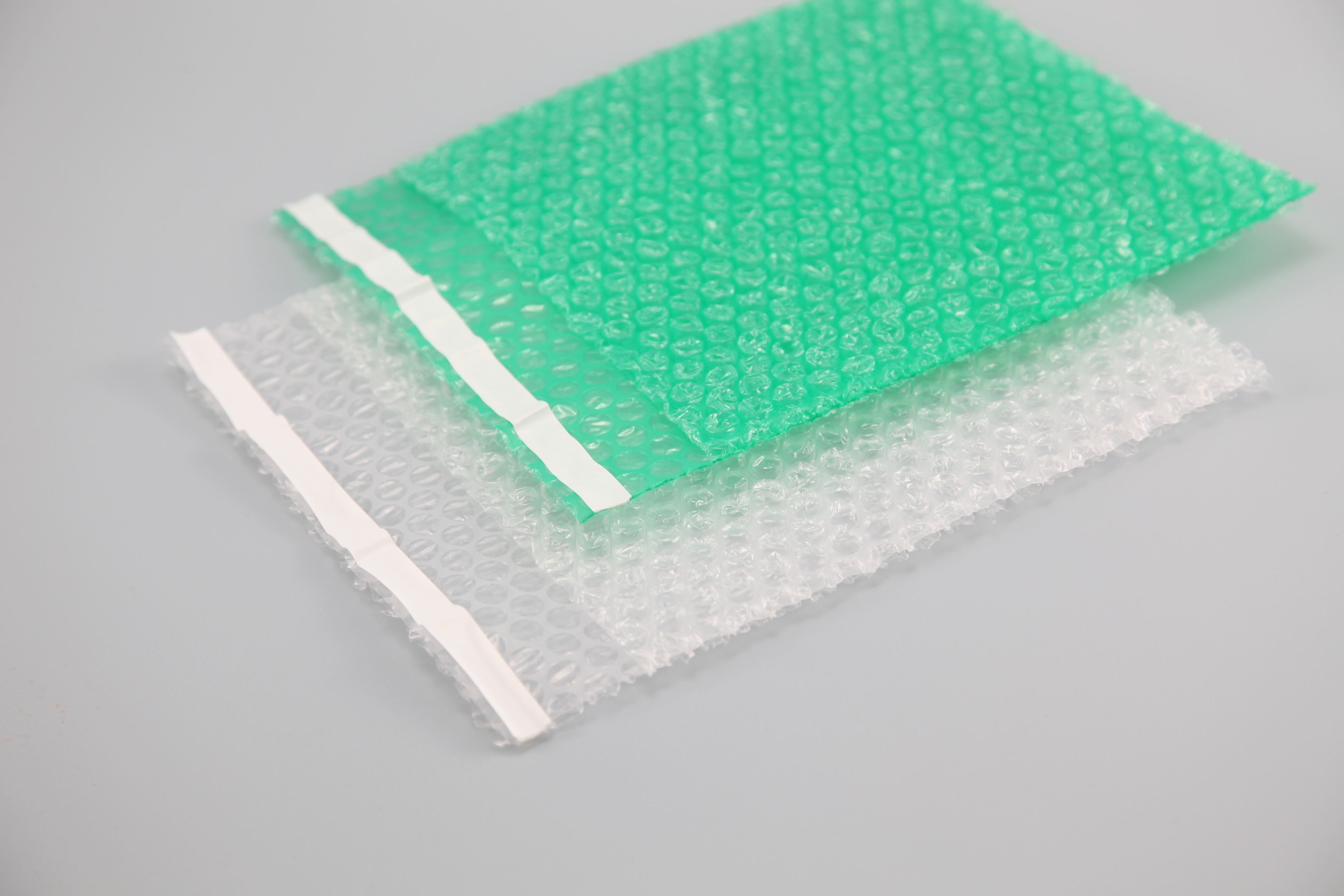
In the world of packaging and shipping, choosing the right protective material can make the difference between products arriving safely and dealing with costly returns due to damage. While various options exist in the market, bubble wrap has emerged as one of the most versatile and effective solutions for protecting items during transit. This protective packaging material offers unique advantages that set it apart from traditional alternatives like foam padding and paper-based protection systems.
Superior Protection Performance
Impact Absorption Technology
The fundamental design of bubble wrap creates an unmatched cushioning system that effectively absorbs impact forces. Each individual air-filled bubble acts as a miniature shock absorber, distributing weight and pressure across the entire surface area. When an external force is applied, these bubbles compress gradually, providing controlled deformation that protects the enclosed item from sudden impacts. This multi-point protection system significantly outperforms single-layer foam materials that can compress unevenly under pressure.
Unlike paper-based padding that relies primarily on thickness for protection, bubble wrap maintains its protective properties even when compressed to a fraction of its original size. The air-filled chambers create a natural spring-back effect, ensuring consistent protection throughout the shipping process. This resilience makes it particularly effective for protecting fragile electronics, glassware, and delicate mechanical components that require sustained cushioning during extended transit periods.
Multi-Directional Defense
The three-dimensional structure of bubble wrap provides protection from multiple angles simultaneously. Each bubble creates a barrier that prevents direct contact between the protected item and external surfaces, regardless of the direction from which force is applied. This omnidirectional protection capability exceeds the performance of flat foam sheets, which primarily protect against forces applied perpendicular to their surface. Paper padding, while useful for filling void space, cannot match the consistent protective barrier that bubble wrap provides around curved or irregular-shaped objects.
The flexibility of bubble wrap allows it to conform to complex shapes and contours, creating a custom-fit protective layer that moves with the item during shipping. This adaptability ensures that protection remains consistent even when packages are subjected to the typical handling stresses encountered in modern shipping networks. The material's ability to maintain its protective properties while conforming to different shapes makes it an ideal choice for protecting items with varying geometries within the same package.
Cost-Effectiveness and Efficiency
Material Usage Optimization
From an economic standpoint, bubble wrap offers exceptional value through its efficient use of materials. The air-filled design means that the actual plastic content is minimal compared to the volume of protection provided. This efficient material usage translates to lower shipping costs, as the protective packaging adds minimal weight to shipments while maximizing protection effectiveness. Foam alternatives typically require significantly more material to achieve comparable protection levels, resulting in higher material costs and increased shipping weights.
The manufacturing process for bubble wrap is highly optimized, allowing for consistent quality production at scale. This manufacturing efficiency translates to competitive pricing that makes it accessible for businesses of all sizes, from small e-commerce operations to large industrial shippers. Paper-based alternatives may appear less expensive initially, but often require multiple layers or additional protective materials to achieve adequate protection, ultimately increasing the total packaging cost per shipment.
Storage and Handling Benefits
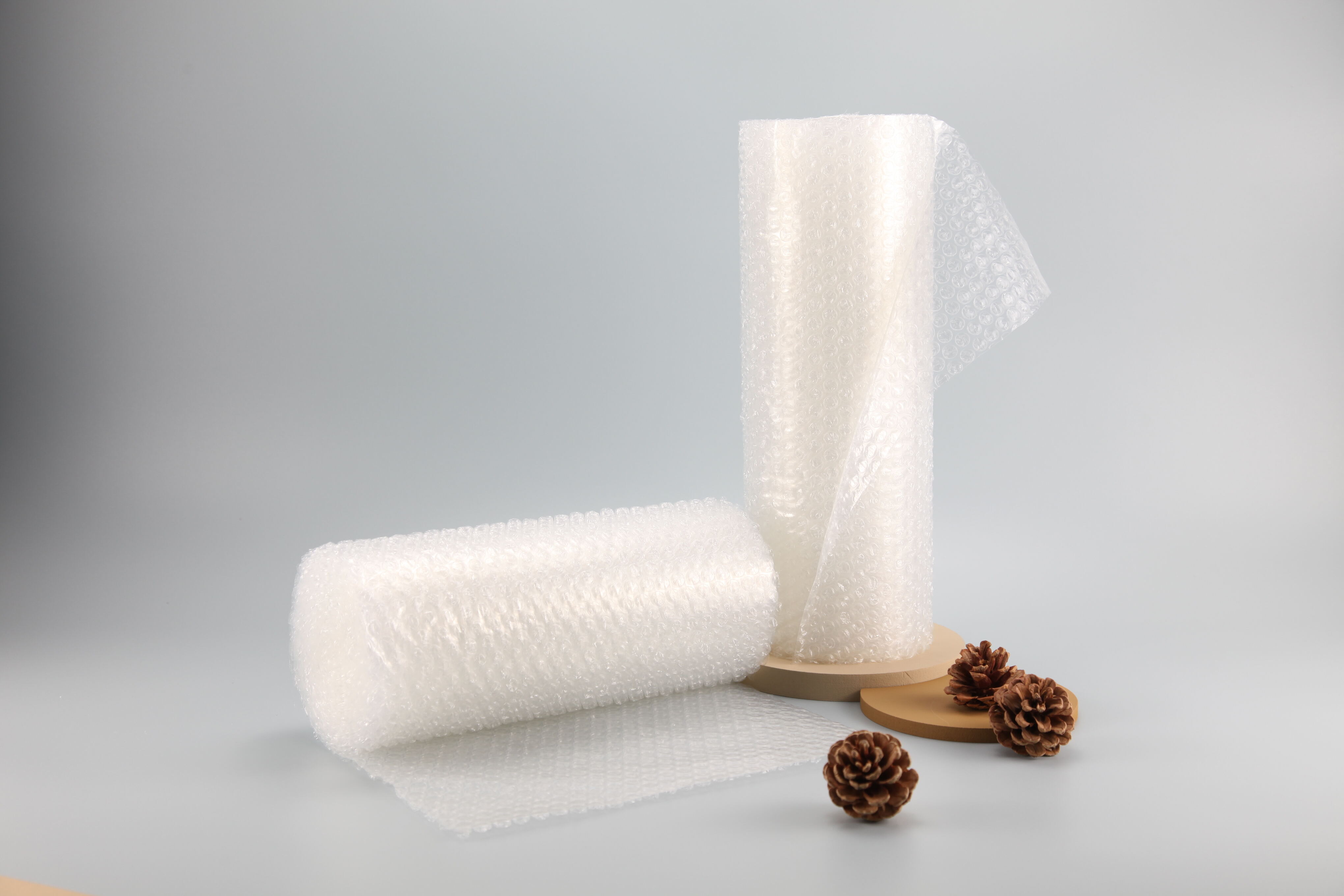
The compact storage characteristics of bubble wrap provide significant operational advantages over bulkier alternatives. Rolls of bubble wrap can be stored efficiently in minimal space, and the material can be dispensed easily without special equipment or complex preparation procedures. Foam padding often requires cutting to specific sizes and shapes, creating waste and requiring additional labor time. Paper-based packaging materials frequently need careful handling to prevent tearing and may require multiple layers to achieve adequate protection.
The lightweight nature of bubble wrap reduces handling fatigue for packaging personnel and contributes to improved workplace efficiency. Workers can process more packages in less time while maintaining consistent protection standards. The material's resistance to tearing and puncturing during normal handling further reduces waste and ensures that protection remains intact throughout the packaging process.
Versatility and Application Range
Product Compatibility
The adaptable nature of bubble wrap makes it suitable for protecting an enormous range of products across different industries. From delicate electronic components that require anti-static protection to heavy industrial parts that need impact resistance, bubble wrap can be customized to meet specific application requirements. Specialized versions include anti-static bubble wrap for electronics, colored options for branding purposes, and varying bubble sizes optimized for different protection needs.
Unlike foam materials that may react with certain chemicals or paper products that can be damaged by moisture, bubble wrap maintains its protective properties across a wide range of environmental conditions. This chemical stability makes it suitable for protecting items that might be sensitive to material interactions, ensuring that the protective packaging does not compromise the integrity of the protected products.
Customization Capabilities
Modern bubble wrap production allows for extensive customization options that can be tailored to specific shipping requirements. Bubble sizes can be optimized for different protection needs, with smaller bubbles providing smoother surfaces for delicate items and larger bubbles offering enhanced cushioning for heavier products. Thickness variations enable precise matching of protection levels to specific product vulnerabilities and shipping conditions.
The ability to produce bubble wrap in various widths, lengths, and configurations provides packaging designers with flexibility that rigid foam alternatives cannot match. Custom printing options allow companies to incorporate branding elements directly into their protective packaging, creating a professional appearance that enhances the unboxing experience while maintaining superior protection performance.
Environmental Considerations and Sustainability
Resource Efficiency
The environmental impact of bubble wrap compares favorably to many alternatives when considering the complete lifecycle of the packaging material. The air-filled design requires minimal plastic material to create maximum protective volume, resulting in efficient resource utilization. Modern production methods have significantly reduced the environmental footprint of bubble wrap manufacturing through improved energy efficiency and waste reduction techniques.
Recyclable versions of bubble wrap are increasingly available, allowing businesses to maintain their environmental commitments while benefiting from superior protection performance. The long service life of bubble wrap, which can often be reused multiple times before disposal, further enhances its environmental efficiency compared to single-use paper alternatives that cannot withstand repeated handling.
Waste Reduction Benefits
The superior protection provided by bubble wrap directly contributes to waste reduction by minimizing product damage during shipping. Damaged products require replacement shipments, doubling the environmental impact of failed deliveries. The reliable protection offered by bubble wrap significantly reduces return rates and replacement shipments, creating indirect environmental benefits that often exceed the environmental costs of the packaging material itself.
The precise protection capabilities of bubble wrap allow for optimized packaging designs that minimize overall material usage while maintaining protection standards. This optimization reduces the total environmental impact of shipping operations by eliminating unnecessary packaging materials and reducing package dimensions, which in turn improves shipping efficiency and reduces transportation-related emissions.
Performance in Various Shipping Conditions
Temperature Stability
Bubble wrap maintains its protective properties across a wide range of temperature conditions, making it suitable for year-round shipping operations. Unlike some foam materials that can become brittle in cold conditions or soften excessively in heat, bubble wrap retains its cushioning effectiveness throughout typical shipping temperature ranges. This temperature stability ensures consistent protection regardless of seasonal variations or shipping route climate conditions.
The air-filled structure provides natural insulation properties that can help moderate temperature fluctuations for sensitive products. While not a replacement for specialized temperature-controlled packaging, bubble wrap can contribute to maintaining more stable conditions for products that are sensitive to rapid temperature changes during transit.
Moisture Resistance
The plastic construction of bubble wrap provides inherent moisture resistance that protects both the packaging material and the enclosed products from humidity and water exposure. Paper-based alternatives can lose their protective properties when exposed to moisture, potentially compromising protection at critical moments during shipping. Foam materials may absorb moisture over time, adding weight and potentially creating conditions that could affect sensitive products.
The moisture barrier properties of bubble wrap make it particularly valuable for protecting products during international shipping, where packages may be exposed to varying humidity conditions and potential weather exposure. This moisture protection capability extends beyond the immediate shipping period, providing continued protection during storage periods before final delivery.
FAQ
How does bubble wrap compare to foam padding in terms of protection effectiveness
Bubble wrap generally provides superior protection through its multi-point cushioning system, where each air-filled bubble acts as an individual shock absorber. This distributed protection system offers better impact absorption than single-layer foam, which can compress unevenly and lose effectiveness over time. The air-filled structure of bubble wrap also provides better recovery properties, maintaining protective capabilities throughout extended shipping periods.
Is bubble wrap more cost-effective than paper-based packaging materials
While bubble wrap may have a higher initial material cost than basic paper padding, it typically provides better overall value through superior protection performance and reduced damage rates. The lightweight nature of bubble wrap also contributes to lower shipping costs, and its reusability potential can further improve cost-effectiveness. Paper alternatives often require multiple layers to achieve comparable protection, which can increase total packaging costs.
Can bubble wrap be customized for specific shipping requirements
Yes, bubble wrap can be extensively customized to meet specific application needs. Options include varying bubble sizes for different protection requirements, anti-static versions for electronics, different thicknesses for various impact protection levels, and custom printing for branding purposes. This flexibility allows businesses to optimize their packaging solutions for specific product types and shipping conditions.
What environmental benefits does bubble wrap offer compared to alternatives
Bubble wrap offers several environmental advantages, including efficient material usage through its air-filled design, recyclability options, and significant waste reduction through superior damage prevention. The reduced product damage rates achieved with bubble wrap protection eliminate the environmental costs associated with replacement shipments and returns, often creating net environmental benefits that exceed the packaging material impact.