
 EN
EN
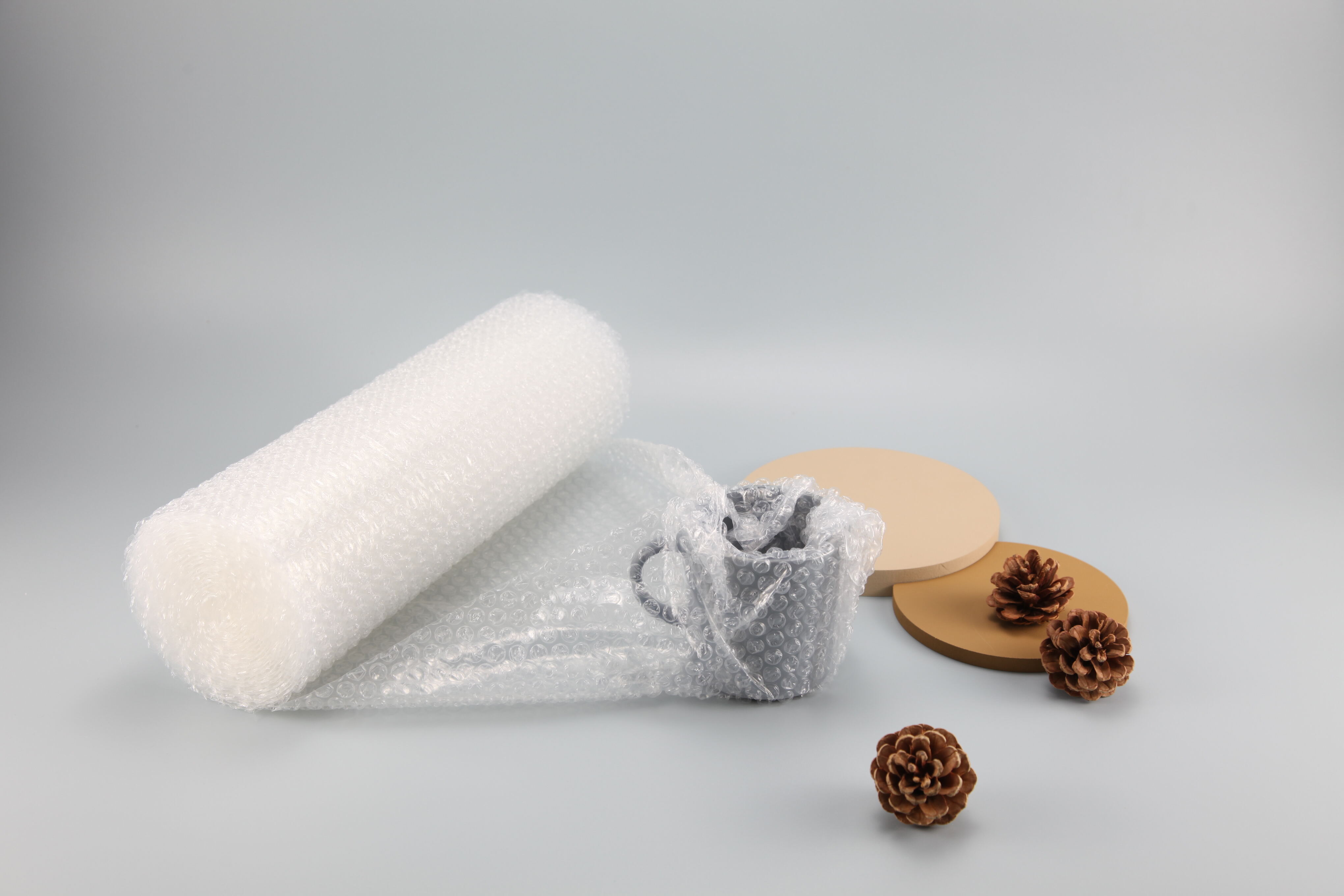
In the world of e-commerce and shipping, protecting fragile items during transit remains one of the most critical challenges for businesses and individuals alike. The journey from warehouse to doorstep involves numerous handling stages, temperature fluctuations, and potential impacts that can damage delicate products. Among the various protective packaging materials available, bubble wrap has emerged as the gold standard for safeguarding fragile items during shipping, offering an ingenious combination of lightweight design, cost-effectiveness, and superior shock absorption capabilities.
The Science Behind Bubble Wrap Protection
Air Cushioning Technology
The protective power of bubble wrap lies in its unique air-filled cell structure, which creates thousands of tiny shock absorbers that distribute impact forces across a wide surface area. Each individual bubble acts as a miniature pneumatic cushion, compressing and expanding to absorb kinetic energy from drops, bumps, and vibrations during shipping. This air cushioning technology transforms potentially damaging impact forces into harmless pressure waves that dissipate safely through the material matrix.
The polyethylene film construction provides excellent tensile strength while maintaining flexibility, allowing the material to conform to irregular shapes and provide complete coverage around fragile items. The trapped air within each cell maintains consistent pressure levels that resist compression until a critical threshold is reached, at which point the air gradually escapes to prevent sudden impact transmission to the protected object.
Impact Distribution Mechanics
When a packaged item experiences external forces during shipping, bubble wrap distributes these impacts across multiple contact points rather than allowing concentrated pressure to develop at specific locations. The interconnected cell structure ensures that force applied to one area spreads laterally through adjacent bubbles, significantly reducing peak stress concentrations that could cause fractures or damage to delicate surfaces.
Laboratory testing has demonstrated that quality bubble wrap can reduce impact forces by up to 80% compared to rigid packaging materials, making it particularly effective for protecting glass, ceramics, electronics, and other shock-sensitive items. The material's ability to maintain protective properties across multiple compression cycles ensures consistent protection throughout extended shipping journeys involving numerous handling stages.
Types and Applications of Protective Bubble Wrap
Standard Bubble Configurations
Traditional bubble wrap comes in various bubble sizes ranging from small 3/16-inch diameter cells for delicate items to large 1/2-inch bubbles for heavy-duty applications. Small bubble configurations provide superior surface contact and conform better to intricate shapes, making them ideal for protecting jewelry, optical equipment, and precision instruments. The increased number of cells per square inch creates more impact absorption points and reduces the likelihood of pressure concentration.
Large bubble variants offer greater cushioning depth and are better suited for protecting larger, heavier items that require substantial shock absorption. The increased air volume in larger cells provides enhanced protection against major impacts while maintaining cost efficiency for bulk shipping applications. Medium bubble sizes represent a versatile middle ground suitable for most general shipping requirements.
Specialized Protective Variants
Anti-static bubble wrap incorporates special additives that dissipate electrical charges, making it essential for protecting sensitive electronic components and computer equipment during shipping. The anti-static properties prevent damage from electrostatic discharge while maintaining all the cushioning benefits of standard materials. This specialized protection is crucial in industries where even minor electrical interference can cause significant product failures.
Barrier bubble wrap combines traditional cushioning with moisture protection, featuring aluminum or other barrier layers that shield contents from humidity, temperature fluctuations, and chemical contamination. These advanced materials are particularly valuable for pharmaceutical products, precision instruments, and items sensitive to environmental conditions during extended shipping periods.
Optimal Packing Techniques for Maximum Protection
Multi-Layer Wrapping Strategy
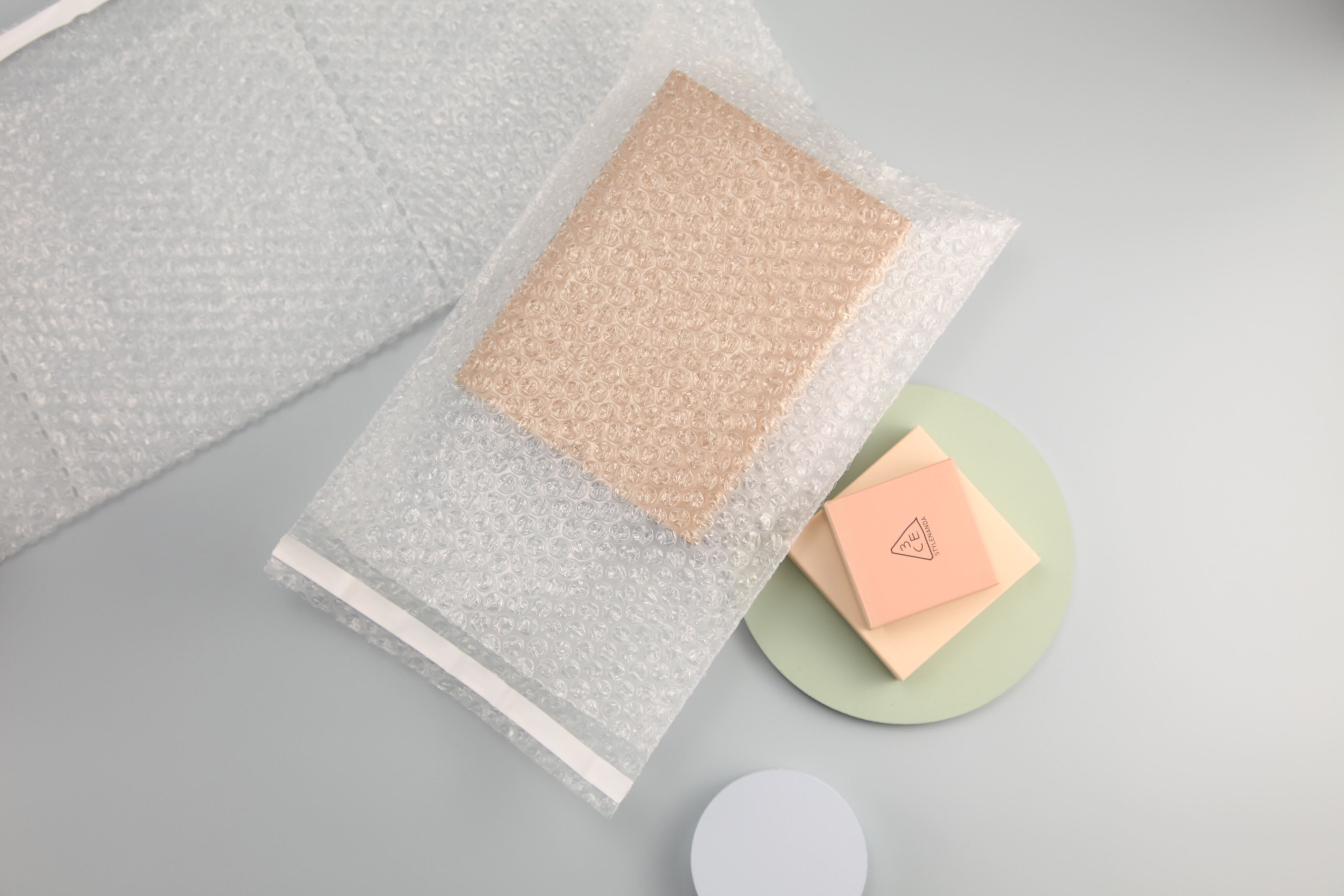
Effective fragile item protection requires strategic layering of bubble wrap to create comprehensive cushioning systems. The first layer should conform closely to the item's surface contours, ensuring complete coverage of vulnerable areas such as corners, edges, and protruding elements. This intimate contact layer prevents direct surface damage while establishing the foundation for additional protective layers.
Subsequent layers should be applied with overlapping seams and gradually increasing looseness to create progressive shock absorption zones. Each additional layer expands the protective envelope around the item, providing incremental impact resistance and distributing forces across broader areas. Professional packers typically recommend a minimum of two to three layers for most fragile items, with particularly delicate objects requiring additional protection.
Secure Attachment Methods
Proper securing of bubble wrap layers prevents shifting during transit, which could compromise protection effectiveness and create vulnerable spots where impacts could reach the protected item. High-quality packaging tape should be applied strategically to maintain wrap tension without over-compression that could reduce cushioning effectiveness. The tape placement should follow the natural contours of the wrapped item while avoiding excessive tightness that might pop protective bubbles.
Edge sealing techniques prevent unwrapping during handling while maintaining easy access for unpacking. Professional shipping operations often employ heat sealing or specialized adhesive systems for high-volume applications, ensuring consistent protection quality across large numbers of packages. The securing method must balance protection requirements with unpacking convenience for end recipients.
Industry Standards and Performance Metrics
Testing Protocols and Certification
The protective performance of bubble wrap materials undergoes rigorous testing according to established industry standards such as ASTM D4332 for drop testing and ISTA protocols for comprehensive package performance evaluation. These standardized tests simulate real-world shipping conditions including drops from various heights, vibration exposure, compression forces, and temperature cycling to verify protection effectiveness across different scenarios.
Quality certifications from recognized testing laboratories provide assurance that bubble wrap products meet specific performance criteria for different application categories. Professional shipping operations rely on these certified performance ratings to select appropriate materials for specific product categories and shipping methods, ensuring optimal protection while controlling packaging costs.
Comparative Protection Analysis
Independent studies comparing bubble wrap performance against alternative protective materials consistently demonstrate superior shock absorption capabilities and cost-effectiveness ratios. When evaluated against foam padding, paper-based cushioning, and rigid protective inserts, bubble wrap typically provides equivalent or superior protection at significantly lower weight penalties and material costs.
The versatility of bubble wrap applications extends across virtually all product categories requiring shipping protection, from delicate glassware and ceramics to electronic equipment and precision instruments. This universal applicability, combined with proven performance metrics, has established bubble wrap as the preferred protective packaging solution for industries ranging from e-commerce fulfillment to industrial equipment distribution.
Environmental Considerations and Sustainability
Recyclable Material Composition
Modern bubble wrap production increasingly emphasizes environmental responsibility through the use of recyclable polyethylene materials and manufacturing processes designed to minimize waste generation. Many manufacturers now offer products containing significant percentages of post-consumer recycled content while maintaining protective performance standards. These sustainable formulations reduce environmental impact without compromising the cushioning effectiveness that makes bubble wrap essential for fragile item protection.
The lightweight nature of bubble wrap contributes to shipping efficiency by minimizing package weight and reducing transportation fuel consumption compared to heavier protective alternatives. This weight advantage translates into reduced carbon emissions per protected item shipped, making bubble wrap an environmentally conscious choice when total lifecycle impact is considered.
Reusability and Waste Reduction
High-quality bubble wrap maintains protective properties through multiple use cycles, allowing recipients to reuse the material for their own shipping needs or storage applications. This reusability extends the useful life of the material and reduces the need for new production, contributing to waste reduction goals. Many businesses implement bubble wrap collection and reuse programs to maximize material utility before final disposal.
Proper disposal through established recycling programs ensures that used bubble wrap materials re-enter the manufacturing stream rather than contributing to landfill accumulation. Consumer education about recycling options and the availability of collection points continues to improve material recovery rates and support circular economy principles in packaging applications.
Cost-Effectiveness and Economic Benefits
Material and Labor Efficiency
The economic advantages of bubble wrap extend beyond initial material costs to include significant labor savings during packing operations. The material's flexibility and conformability allow rapid wrapping of irregular shapes without requiring custom-fitted inserts or complex assembly procedures. Professional packing operations can achieve high throughput rates while maintaining consistent protection quality, reducing per-package labor costs and improving overall operational efficiency.
Storage efficiency represents another important economic benefit, as bubble wrap's compressed shipping form expands to provide large coverage areas from relatively compact storage volumes. This space efficiency reduces warehouse storage requirements and shipping costs for the protective material itself, contributing to overall supply chain optimization.
Damage Reduction Return on Investment
The investment in quality bubble wrap protection typically generates substantial returns through reduced product damage rates and associated costs including replacement items, return shipping, customer service time, and reputation impact. Insurance claim data consistently shows lower damage rates for shipments using appropriate bubble wrap protection compared to inadequate or alternative cushioning methods.
Customer satisfaction improvements from receiving undamaged products create long-term value that exceeds the modest cost of proper protective packaging. Repeat business, positive reviews, and reduced complaint handling represent significant but often undervalued benefits of investing in effective bubble wrap protection for fragile item shipping applications.
FAQ
What bubble size works best for different types of fragile items
Small bubble wrap with 3/16-inch diameter cells provides optimal protection for delicate items like glassware, electronics, and precision instruments because it conforms better to surface contours and provides more cushioning contact points. Large bubble variants with 1/2-inch cells work better for heavier items requiring substantial impact absorption, while medium bubbles offer versatile protection suitable for most general shipping applications.
How many layers of bubble wrap should be used for adequate protection
Most fragile items require a minimum of two to three layers of bubble wrap for adequate protection, with the first layer conforming closely to the item's surface and subsequent layers providing progressive shock absorption. Extremely delicate or valuable items may need additional layers, while the specific number depends on the item's fragility, shipping distance, and expected handling conditions during transit.
Can bubble wrap be reused without losing protective effectiveness
High-quality bubble wrap maintains most of its protective properties through several use cycles, provided the bubbles remain intact and properly inflated. Reused material should be inspected for popped bubbles or tears that could compromise protection, and may require supplementation with fresh material for highly fragile items. The reusability depends on the original material quality and the stress levels experienced during previous applications.
Does bubble wrap provide protection against temperature changes during shipping
Standard bubble wrap provides limited thermal insulation that can help moderate temperature fluctuations, but it should not be relied upon as the primary protection against extreme temperature changes. For temperature-sensitive items, specialized barrier bubble wrap or additional thermal protection materials should be used in conjunction with standard cushioning to provide comprehensive environmental protection during shipping.