
 EN
EN
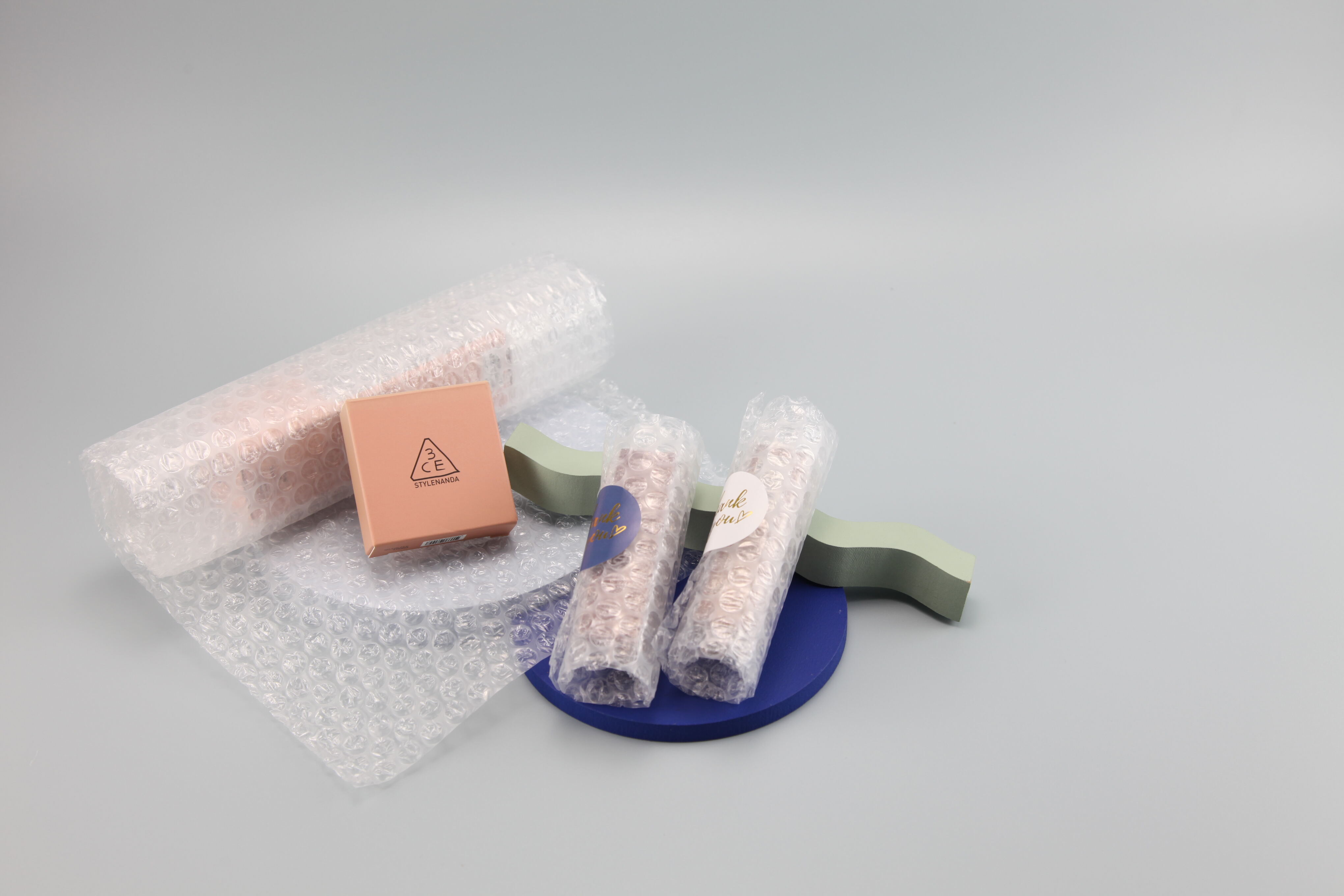
Shipping products safely across vast distances remains one of the most critical challenges in modern commerce. Every day, millions of packages traverse complex supply chains, facing countless opportunities for damage along the way. From rough handling at distribution centers to temperature fluctuations during transport, products must survive a gauntlet of potential hazards before reaching their final destination. The solution to this persistent problem lies in effective protective packaging, with bubble wrap emerging as one of the most reliable and versatile materials available to businesses worldwide.
The science behind protective packaging reveals fascinating insights into how materials interact with kinetic forces during transit. When packages experience sudden impacts, drops, or compression, the energy from these forces must be absorbed and dissipated to prevent damage to the contents inside. Traditional rigid packaging materials often fail to provide adequate protection because they transmit shock directly to the product. However, advanced cushioning materials work by creating a buffer zone that absorbs impact energy and distributes it over a larger surface area, significantly reducing the force that reaches the protected item.
The Physics of Impact Protection
Energy Absorption Mechanisms
Understanding how protective materials absorb impact energy requires examining the fundamental physics involved in collision dynamics. When a package experiences a sudden impact, the kinetic energy of the moving object must be dissipated over time to prevent damage. Effective cushioning materials accomplish this through controlled deformation, where the material compresses gradually under load, extending the duration of the impact and reducing peak forces. This process transforms potentially destructive energy into harmless heat and elastic deformation that can be recovered once the force is removed.
The cellular structure of certain packaging materials plays a crucial role in this energy absorption process. Air-filled chambers within protective materials act as tiny shock absorbers, each one contributing to the overall cushioning effect. When compressed, these chambers deform predictably, providing consistent protection across the entire surface area. The interconnected nature of these air pockets ensures that impact forces are distributed evenly, preventing concentrated stress points that could lead to product damage.
Force Distribution Principles
Effective impact protection relies heavily on the principle of force distribution, where concentrated loads are spread across larger surface areas to reduce localized pressure. This concept becomes particularly important when protecting fragile items with irregular shapes or sensitive components. Conformable packaging materials excel at this task by molding around product contours and creating uniform contact pressure. The ability to distribute forces evenly prevents pressure points that could cause cracks, dents, or other forms of structural damage to delicate items.
The thickness and density of protective materials directly influence their force distribution capabilities. Thicker materials provide greater cushioning distance, allowing for more gradual deceleration during impacts. However, optimal protection requires balancing thickness with practical considerations such as package size, weight, and cost. Advanced material engineering has led to the development of packaging solutions that maximize protection while minimizing bulk, ensuring efficient use of shipping space and resources.
Material Properties and Performance
Cellular Structure Engineering
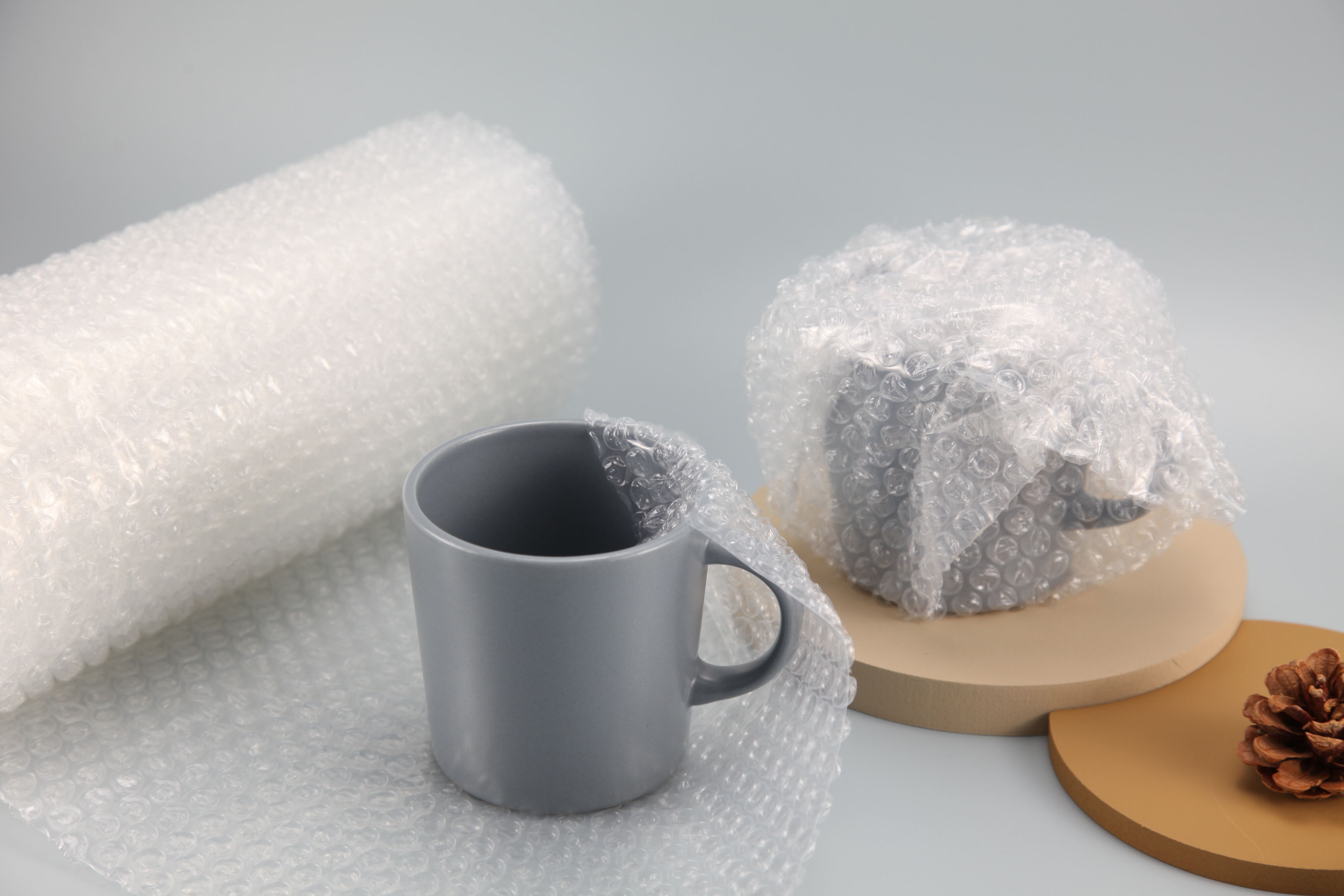
The internal architecture of protective packaging materials determines their performance characteristics under various stress conditions. Air-filled cellular structures provide excellent cushioning properties by combining low weight with high impact resistance. The size and distribution of individual cells within the material matrix affects both the compression resistance and recovery properties. Smaller cells typically offer better conformability and surface contact, while larger cells may provide superior cushioning for heavy impacts.
Modern manufacturing techniques allow for precise control over cellular structure properties, enabling customization for specific applications. The wall thickness of individual cells, the uniformity of cell distribution, and the overall density of the material can be adjusted to optimize performance for different types of products and shipping conditions. This level of control ensures that protective materials can be tailored to meet the exact requirements of various industries and applications.
Durability and Longevity
The long-term performance of protective packaging materials depends on their ability to maintain structural integrity throughout the shipping process. Temperature variations, humidity changes, and repeated compression cycles can all affect material properties over time. High-quality bubble wrap demonstrates excellent resistance to environmental factors, maintaining its protective properties even under challenging conditions.
The recovery characteristics of cellular materials play a vital role in their effectiveness during extended shipping periods. Materials that quickly return to their original shape after compression provide consistent protection throughout the journey. This resilience ensures that multiple impacts during handling and transport do not compromise the protective barrier surrounding valuable products. Testing protocols evaluate material performance under repeated stress cycles to ensure reliable protection in real-world shipping scenarios.
Applications Across Industries
Electronics and Technology
The electronics industry faces unique challenges in product protection due to the sensitivity of components to both physical damage and static electricity. Modern electronic devices contain delicate circuits, screens, and mechanical components that can be permanently damaged by relatively minor impacts. Protective packaging for electronics must provide cushioning while also addressing electrostatic discharge concerns. Specialized materials combine impact protection with antistatic properties to ensure comprehensive protection for sensitive electronic equipment.
Consumer electronics packaging requires careful consideration of product geometry and weight distribution. Tablets, smartphones, and laptops have different protection requirements based on their construction and vulnerability points. Customized packaging solutions provide targeted protection for screen surfaces, connector ports, and other critical areas while maintaining efficient packing density. The ability to conform to complex shapes ensures that every surface receives appropriate protection without excessive material usage.
Healthcare and Pharmaceutical
Medical devices and pharmaceutical products demand the highest levels of protection due to their critical nature and regulatory requirements. Contamination prevention, temperature stability, and shock protection must all be addressed simultaneously. Protective packaging materials used in healthcare applications undergo rigorous testing to ensure they meet medical-grade standards for cleanliness and performance. The sterile nature of many medical products requires packaging materials that do not introduce contaminants while providing excellent physical protection.
Temperature-sensitive medications and biological samples require specialized packaging solutions that maintain thermal stability while providing impact protection. Multi-layered packaging systems combine insulation properties with cushioning materials to create controlled environments for sensitive products. These systems must perform reliably across various shipping conditions and timeframes to ensure product integrity upon delivery.
Environmental Considerations
Sustainability and Recycling
Modern packaging solutions increasingly focus on environmental sustainability without compromising protection performance. Recyclable materials and biodegradable alternatives are being developed to address growing environmental concerns while maintaining the protective qualities required for safe product shipping. The challenge lies in creating materials that offer comparable performance to traditional options while supporting circular economy principles through effective recycling programs.
Life cycle assessments of packaging materials consider environmental impact from production through disposal. Sustainable packaging solutions aim to minimize resource consumption during manufacturing while maximizing recyclability at end-of-life. Advanced material science continues to develop innovative solutions that reduce environmental footprint without sacrificing the protective performance that businesses require for their products.
Waste Reduction Strategies
Efficient packaging design reduces waste by optimizing material usage and minimizing package dimensions. Right-sizing packaging to match product requirements eliminates unnecessary material consumption while maintaining protection standards. Advanced design software and testing protocols help identify the minimum amount of protective material needed for specific applications, reducing both costs and environmental impact.
Reusable packaging systems offer another approach to waste reduction, particularly for business-to-business applications where return logistics are feasible. Durable protective materials that can withstand multiple use cycles provide long-term value while reducing overall material consumption. These systems require careful design to ensure consistent performance throughout their intended lifespan while remaining cost-effective compared to single-use alternatives.
Cost-Effectiveness Analysis
Damage Prevention Value
The economic benefits of effective protective packaging extend far beyond the initial material costs. Product damage during shipping results in direct replacement costs, return shipping expenses, customer service overhead, and potential loss of customer relationships. Quality protective materials provide substantial return on investment by preventing these costly outcomes. Statistical analysis of damage rates with and without proper protection demonstrates clear financial advantages for businesses investing in quality packaging solutions.
Insurance claims and warranty replacements represent significant hidden costs that effective packaging can help minimize. Companies that implement comprehensive protective packaging strategies often see substantial reductions in damage-related expenses. The cost of prevention through quality packaging materials typically represents a small fraction of the potential costs associated with product damage and customer dissatisfaction.
Operational Efficiency
Streamlined packaging processes improve operational efficiency by reducing handling time and training requirements. Standardized protective packaging solutions allow warehouse staff to pack products quickly and consistently, reducing labor costs and improving throughput. Easy-to-use materials that require minimal training help maintain consistent packing quality across different shifts and personnel changes.
Inventory management becomes more efficient when using standardized protective packaging materials that serve multiple product categories. Bulk purchasing of versatile materials reduces procurement complexity while potentially lowering unit costs through volume discounts. Simplified inventory systems reduce storage requirements and administrative overhead while ensuring adequate supplies are always available for shipping operations.
FAQ
What makes air-filled packaging materials effective for protection?
Air-filled packaging materials excel at protection because they create a cushioning barrier that absorbs impact energy through controlled compression. The air chambers act as individual shock absorbers, distributing forces across the entire surface area and preventing concentrated pressure points that could damage products. This design provides excellent protection while remaining lightweight and cost-effective.
How does protective packaging maintain effectiveness during long shipping journeys?
Quality protective packaging maintains effectiveness through superior material recovery properties and resistance to environmental factors. The cellular structure retains its cushioning properties even after multiple compression cycles, ensuring consistent protection throughout extended shipping periods. Advanced materials resist temperature variations and humidity changes that could compromise protective performance over time.
What factors should businesses consider when selecting protective packaging materials?
Businesses should evaluate product fragility, shipping conditions, package dimensions, and cost considerations when selecting protective materials. The weight and value of products influence the level of protection required, while shipping methods and distances affect material performance requirements. Environmental sustainability goals and recycling capabilities are increasingly important factors in material selection decisions.
Can protective packaging materials be customized for specific applications?
Modern manufacturing techniques allow extensive customization of protective packaging materials to meet specific application requirements. Cell size, material thickness, density, and surface treatments can all be adjusted to optimize performance for particular products or shipping conditions. Custom solutions ensure optimal protection while minimizing material usage and shipping costs.
Table of Contents
- The Physics of Impact Protection
- Material Properties and Performance
- Applications Across Industries
- Environmental Considerations
- Cost-Effectiveness Analysis
-
FAQ
- What makes air-filled packaging materials effective for protection?
- How does protective packaging maintain effectiveness during long shipping journeys?
- What factors should businesses consider when selecting protective packaging materials?
- Can protective packaging materials be customized for specific applications?