
 EN
EN
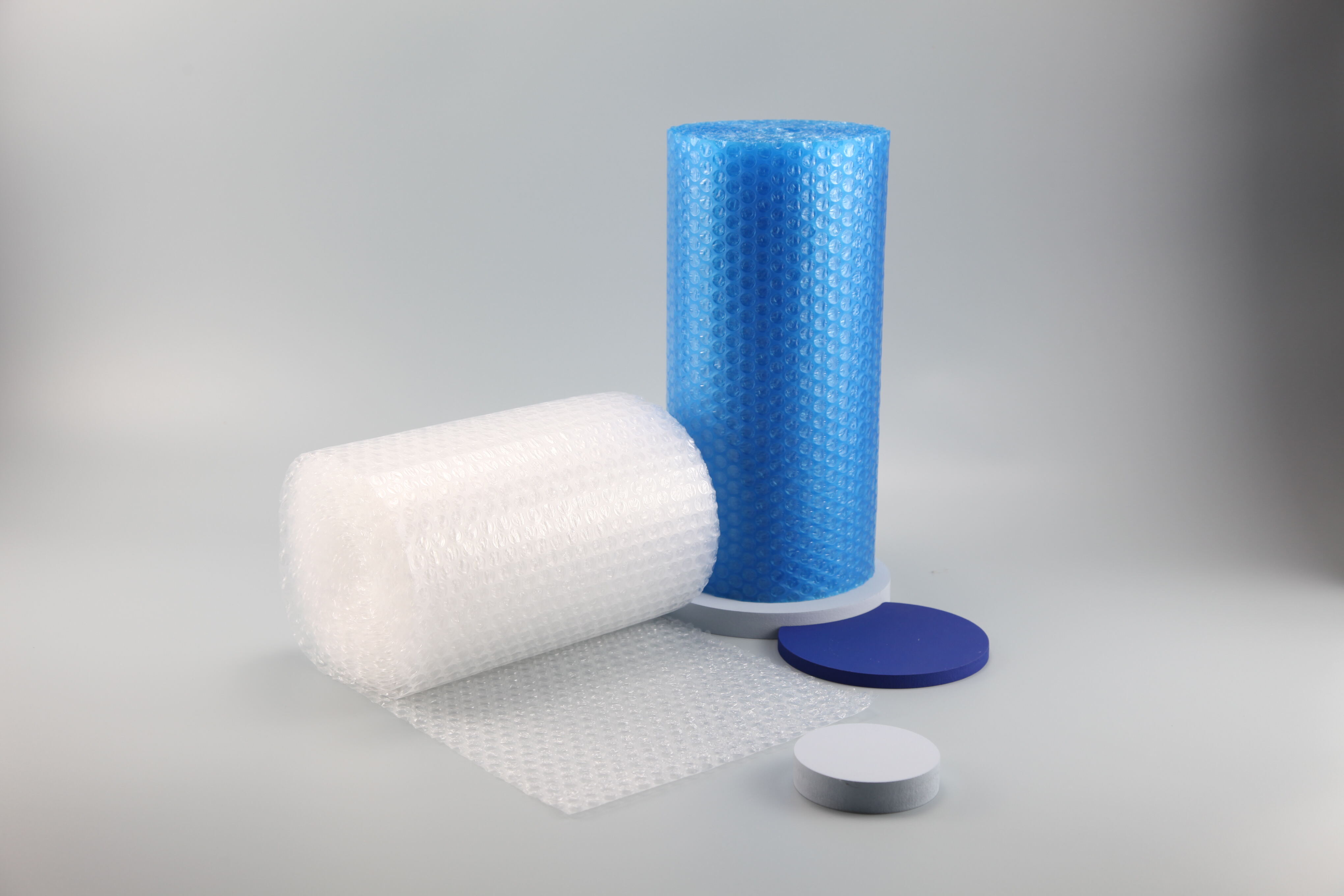
In an era where e-commerce dominates retail landscapes and sustainability concerns drive packaging innovations, one might question whether traditional bubble wrap remains relevant. Despite the emergence of eco-friendly alternatives and advanced protective materials, bubble wrap continues to serve as a cornerstone of modern shipping and packaging operations. Its unique combination of lightweight protection, cost-effectiveness, and versatility has cemented its position as an indispensable tool for businesses ranging from small online retailers to multinational corporations. The distinctive air-filled cushioning system provides unparalleled shock absorption while maintaining minimal weight additions to shipments, making it an economically sound choice for protecting valuable merchandise during transit.
Protective Properties That Define Modern Shipping Standards
Superior Shock Absorption Capabilities
The fundamental strength of bubble wrap lies in its engineered air cushion system, which distributes impact forces across multiple contact points rather than concentrating stress on vulnerable product surfaces. Each individual air pocket acts as a micro shock absorber, creating a protective matrix that responds dynamically to external pressures during handling and transportation. This distributed force management proves particularly crucial for fragile electronics, glassware, and precision instruments that require consistent protection throughout the shipping journey.
Modern bubble wrap manufacturing has evolved to incorporate varying bubble sizes and densities, allowing businesses to customize protection levels based on specific product requirements. Large bubble formations excel at protecting bulky items and providing general cushioning, while smaller bubbles offer precise protection for delicate components and irregularly shaped objects. This adaptability ensures optimal protection without over-packaging, contributing to both cost efficiency and environmental responsibility.
Moisture and Environmental Resistance
Beyond mechanical protection, bubble wrap provides essential barriers against environmental hazards that threaten product integrity during shipping. The polyethylene construction naturally resists moisture penetration, preventing humidity-related damage to sensitive materials such as textiles, electronics, and paper products. This moisture resistance proves invaluable in challenging shipping environments where temperature fluctuations and humidity variations pose constant threats to product quality.
Temperature stability represents another critical advantage, as bubble wrap maintains its protective properties across wide temperature ranges without becoming brittle or losing cushioning effectiveness. This reliability ensures consistent protection whether shipments traverse frozen warehouses, heated delivery vehicles, or extreme outdoor conditions during last-mile delivery operations.
Economic Advantages Driving Continued Adoption
Cost-Effective Protection Solutions
The economic appeal of bubble wrap extends beyond its initial purchase price to encompass comprehensive shipping cost reductions through weight optimization and damage prevention. Unlike heavier protective materials such as foam inserts or rigid packaging components, bubble wrap adds minimal weight to shipments while providing superior protection. This weight efficiency translates directly to reduced shipping costs, particularly significant for businesses operating on thin profit margins or shipping high volumes of products.
Damage prevention represents perhaps the most substantial economic benefit, as bubble wrap significantly reduces costly product returns, replacements, and customer service interventions. The financial impact of damaged goods extends beyond immediate replacement costs to include lost customer confidence, negative reviews, and potential long-term relationship deterioration. Effective bubble wrap protection serves as insurance against these multifaceted costs while maintaining customer satisfaction and brand reputation.
Storage and Handling Efficiency
Operational efficiency gains from bubble wrap utilization extend throughout warehouse and fulfillment operations, where space constraints and labor costs significantly impact profitability. The compact storage requirements of rolled bubble wrap contrast favorably with bulky alternatives, maximizing valuable warehouse space while simplifying inventory management. Workers can efficiently handle and apply bubble wrap without specialized equipment or extensive training, reducing labor costs and increasing packaging throughput during peak shipping periods.
Automation compatibility further enhances operational efficiency, as modern packaging equipment readily accommodates bubble wrap integration into high-speed fulfillment processes. This mechanical compatibility enables businesses to scale packaging operations without proportional increases in labor costs or processing complexity, supporting growth objectives while maintaining quality standards.
Versatility Across Diverse Industry Applications
E-Commerce and Retail Shipping
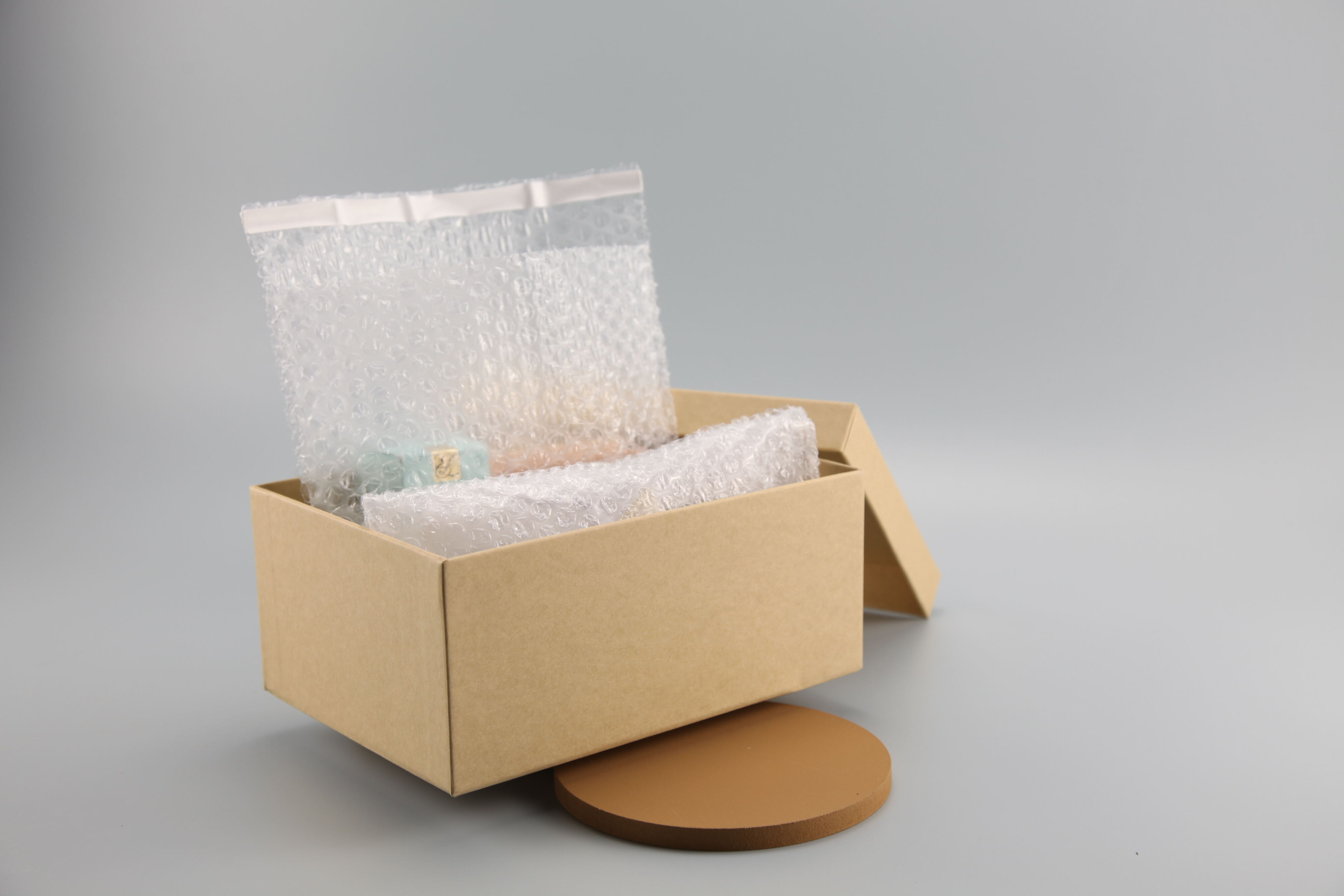
E-commerce operations particularly benefit from bubble wrap's adaptability to diverse product categories and shipping requirements. Online retailers handling everything from delicate jewelry to robust sporting equipment rely on bubble wrap's universal protection capabilities to ensure consistent delivery quality across varied inventory. The material's conformability allows effective protection of irregularly shaped items that challenge rigid packaging solutions, while its transparency enables visual inspection without compromising protection integrity.
Customer unboxing experiences increasingly influence purchase decisions and brand loyalty, making packaging presentation crucial for competitive advantage. Bubble wrap strikes an optimal balance between protective functionality and customer satisfaction, providing obvious evidence of care while remaining easy to remove and dispose of properly. This user-friendly characteristic supports positive customer relationships while maintaining essential product protection throughout the delivery process.
Industrial and Manufacturing Applications
Manufacturing operations utilize bubble wrap for applications extending beyond final product shipping to include work-in-process protection, component storage, and inter-facility transfers. Production environments often require temporary protection during assembly processes, where bubble wrap provides quick, removable cushioning without interfering with manufacturing workflows. The material's chemical inertness ensures compatibility with diverse industrial processes without introducing contamination risks or adverse reactions.
International shipping operations particularly value bubble wrap's compliance with various transportation regulations and customs requirements. The material's established acceptance across global shipping networks eliminates potential delays or complications associated with newer protective materials that may lack universal recognition or approval. This regulatory familiarity streamlines international commerce while maintaining protection standards across diverse transportation modes and jurisdictions.
Environmental Considerations and Sustainable Practices
Recycling and Waste Management
Contemporary bubble wrap production increasingly incorporates recycled materials and designs for improved end-of-life management, addressing environmental concerns while maintaining performance standards. Many manufacturers now offer bubble wrap containing significant recycled content percentages, reducing virgin material consumption while providing equivalent protective capabilities. Advanced recycling programs accept used bubble wrap for reprocessing into new packaging materials, creating closed-loop systems that minimize environmental impact.
Reuse initiatives within business operations extend bubble wrap lifecycle beyond single applications, maximizing value extraction while reducing waste generation. Careful handling during unpacking enables multiple reuse cycles for internal shipping, storage protection, and secondary packaging applications. This approach reduces overall packaging costs while demonstrating environmental responsibility to increasingly conscious consumers and business partners.
Innovation in Sustainable Formulations
Research and development efforts continue advancing bubble wrap sustainability through biodegradable formulations and alternative material compositions. Bio-based bubble wrap variants utilize renewable feedstocks while maintaining traditional performance characteristics, offering environmentally conscious businesses transitional solutions toward fully sustainable packaging systems. These innovations address environmental concerns without compromising protection effectiveness or economic viability.
Thickness optimization and enhanced design efficiency reduce material consumption per unit of protection, improving environmental profiles while maintaining or enhancing performance levels. Advanced manufacturing techniques enable thinner bubble walls and optimized air retention, reducing plastic usage while preserving cushioning effectiveness throughout typical shipping durations and handling intensities.
Future Outlook and Market Evolution
Technological Integration and Smart Packaging
Emerging technologies increasingly integrate with traditional bubble wrap applications to create intelligent packaging solutions that monitor shipping conditions and product integrity. Embedded sensors within bubble wrap structures can track temperature fluctuations, impact events, and handling quality, providing valuable data for supply chain optimization and damage prevention. These smart packaging innovations enhance traditional protection with real-time monitoring capabilities that support quality assurance and customer service improvements.
Artificial intelligence and machine learning applications optimize bubble wrap utilization through predictive analytics that determine optimal protection levels based on product characteristics, shipping routes, and historical damage patterns. This data-driven approach minimizes over-packaging while ensuring adequate protection, balancing environmental responsibility with economic efficiency and customer satisfaction requirements.
Market Adaptation and Consumer Preferences
Evolving consumer preferences toward sustainable packaging continue shaping bubble wrap development priorities, driving innovation in recyclable formulations and reduced material consumption. Market research indicates that while consumers value environmental responsibility, they equally prioritize product protection and unboxing convenience, creating opportunities for bubble wrap variants that excel across all these dimensions simultaneously.
Regulatory developments worldwide increasingly influence packaging material selection, with bubble wrap manufacturers adapting formulations to meet emerging standards while maintaining performance advantages. This regulatory compliance ensures continued market relevance while addressing legitimate environmental concerns through responsible material innovation and manufacturing practices.
FAQ
How does bubble wrap compare to other protective packaging materials in terms of effectiveness
Bubble wrap offers superior shock absorption per weight unit compared to alternatives like foam inserts or paper padding, making it particularly effective for lightweight shipments requiring significant protection. Its air-cushion design distributes impact forces more evenly than rigid materials, while maintaining lower shipping weights than denser protective options. The material's transparency also allows visual inspection of wrapped items without compromising protection, an advantage not available with opaque alternatives.
What are the best practices for environmentally responsible bubble wrap usage
Environmentally responsible bubble wrap usage involves selecting appropriate bubble sizes to avoid over-packaging, choosing recycled content options when available, and implementing reuse programs within business operations. Proper disposal through plastic recycling programs ensures end-of-life material recovery, while careful handling during unpacking enables multiple use cycles. Businesses should also consider biodegradable variants for appropriate applications and track usage metrics to optimize consumption patterns.
Can bubble wrap be customized for specific industry requirements or product types
Modern bubble wrap manufacturing offers extensive customization options including varying bubble sizes, film thicknesses, and specialized coatings for specific applications. Anti-static formulations protect electronic components, while enhanced puncture resistance serves industrial applications with sharp-edged products. Custom printing capabilities enable branding integration, and barrier properties can be enhanced for moisture-sensitive products, making bubble wrap adaptable to virtually any protective packaging requirement.
How has bubble wrap technology evolved to address modern shipping challenges
Recent bubble wrap innovations include improved air retention for longer protection duration, enhanced puncture resistance for demanding shipping environments, and integration with automated packaging systems for high-volume operations. Advanced manufacturing techniques enable thinner films with equivalent protection, reducing material consumption while maintaining performance. Smart packaging integration allows condition monitoring throughout shipping, while sustainable formulations address environmental concerns without compromising protective capabilities.
Table of Contents
- Protective Properties That Define Modern Shipping Standards
- Economic Advantages Driving Continued Adoption
- Versatility Across Diverse Industry Applications
- Environmental Considerations and Sustainable Practices
- Future Outlook and Market Evolution
-
FAQ
- How does bubble wrap compare to other protective packaging materials in terms of effectiveness
- What are the best practices for environmentally responsible bubble wrap usage
- Can bubble wrap be customized for specific industry requirements or product types
- How has bubble wrap technology evolved to address modern shipping challenges